The Benefits of Well-Child Care Exams

When it comes to taking care of your child, you want to make sure that you’re caring for them, even when they aren’t sick. The best way to ensure that your child stays as healthy as possible is through well-child care exams. These exams help to make sure that any issues your child is dealing with are being treated as early as possible.

How Well-Child Care Exams Help Your Child

When you take your child to their pediatrician for well-child care exams, you’re making sure that your child is prepared for any sickness that they may come in contact with and that any issues are being dealt with in a timely manner.

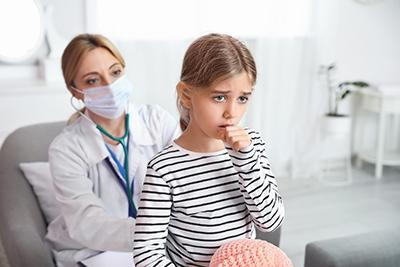
During an exam, your child’s pediatrician will examine every part of your child’s body, making sure that everything is functioning as it should, and check that there aren’t any illnesses that aren’t being treated. You can also take this time to check that your child is up to date on their vaccines.

Well-child care exams also give you the space to air any concerns that you may have about your child’s health.

Tips for Managing Common Childhood Illnesses at Home

As much as we’d like to hope that our children never get sick, it’s often unavoidable. It’s important that you’re able to identify some common sicknesses that children deal with and how you can help them start feeling better.

Managing Common Childhood Illnesses at Home

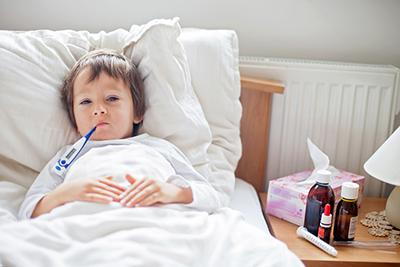
One of the most common illnesses is the common cold. Colds are spread by viruses, and often if one child is sick, everyone will likely get sick. You can treat your child’s symptoms with over-the-counter pain medications for children.

When your child is dealing with something like an ear infection, there isn’t much you can do other than get them antibiotics for their ear.

Many other common childhood illnesses include strep throat and conjunctivitis, also known as pink eye. There aren’t any at-home remedies for either issue, so you’ll have to bring them in to their pediatrician for antibiotics to help clear up their infection and get them feeling better.

Child Safety: Essential Tips for Parents to Keep Their Kids Safe and Healthy

Raising children is no small feat. When it comes to taking care of your child, you probably want many easy tips to keep them healthy and safe.

Keeping Your Child Safe

Safety can come in many forms, from keeping your child safe from dangers to keeping them safe from illnesses and diseases. It’s important you understand the basic essentials for keeping your child protected, even when you aren’t around.

It’s important to teach your child how to self-regulate. You can teach your child to take calming breaths when they’re in a strange situation where they might feel anxious.

You should be encouraging your child to try new foods and make sure that they’re getting all the nutrients they need each day. The best way to do this is by showing them an example.

A crucial step to ensuring your child stays healthy is by encouraging them to stay active. Depending on their activities, you should also be sure to get your child the essential safety equipment to protect them from injuries.

Managing Asthma in Children: Tips for Parents

When you find out that your child has asthma, it’s important to know that they can still participate in their favorite activities and play just as well as other children.

Managing Your Child’s Asthma

It’s important that you’re creating a routine that your child can stick to that will help them learn to manage their asthma. Your child’s pediatrician will give you instructions on what medications your child should be taking.

Be sure that you’re able to identify what could trigger your child’s asthma, such as pollen, mold, or changes in the weather. It may take time to properly identify triggers, but this can pay off in the long run.

Be sure that you can recognize the signs of a flare-up before it becomes severe. If your child is having a severe flare-up, be sure to seek medical attention as soon as possible.

Promoting Healthy Eating Habits in Children

You want your child to be healthy, and one of the cornerstones of good health is nutrition. If your child is a picky eater, likes to eat junk food, or loves sugary foods and drinks, great nutrition can be difficult to achieve. Your pediatrician can help.

According to Healthychildren.org, ideal daily calories are about 1000 for ages 2-3, 1200-1400 for ages 4-8, 1400-1600 for girls 9-13, 1600-2000 for boys 9-13, 1800 for girls 14-18, and 2000-2400 for boys 14-18.

You should feed your child lean proteins like fish, chicken and turkey; fruits including whole fruits rather than juices; vegetables including green leafy vegetables; whole grains like rice, quinoa, and whole wheat; and dairy products including milk, yogurt, and cheese.

To promote healthy eating habits: eat a healthy diet yourself, have regularly scheduled family meals, provide a wide variety of food choices, keep healthy snacks on hand, avoid making a big deal over food, and involve your child in food choices and cooking.

The Benefits of Regular Well-Child Visits

Regular well-child visits can help protect your child from serious illnesses, diseases, and injuries by identifying potential problems early.

The first well-child visit happens when your baby is 2 to 5 days old. Subsequent well-child visits happen at 1,2,4,6,9,15, and 18 months, and then again at 2 years old.

Regular well-child visits allow your pediatrician to monitor and record your child’s breathing, height and weight, heart sounds and pulse, and musculoskeletal structure, tracking growth and development.

Regular well-child visits are also an opportunity for your pediatrician to assess and monitor your child’s behavioral health, identifying and managing conditions including ADD and ADHD, learning disabilities, and anxiety and depression.

One of the most important functions of a well-child visit is to provide immunizations to prevent contagious, infectious illnesses and diseases, which are also required for your child to attend daycare and school.

Managing Asthma in Children: Tips and Techniques

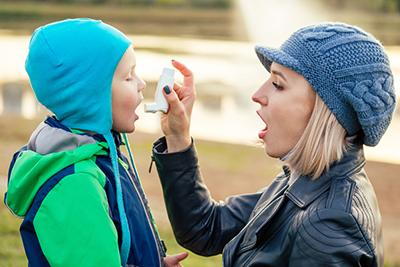
Asthma is a common problem in children, and its effects can be serious. Your pediatrician can help treat and manage your child’s asthma, so you can both breathe easier.

The first step in managing your child’s asthma is to have your child tested for allergies. After allergy testing, your pediatrician may recommend allergy shots or sublingual immunotherapy drops to limit your child’s allergy symptoms.

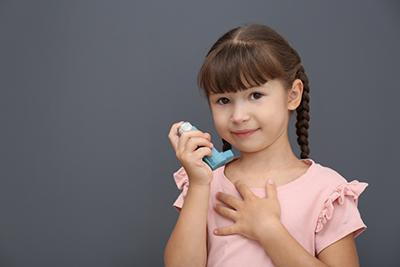
Along with allergy treatment, your pediatrician will also treat your child’s asthma with short-term rescue inhalers and long-term asthma medications.

Other important tips to modify your child’s environment to prevent asthma include using hypoallergenic sheets, vacuuming frequently, dusting furniture, installing an air purifier, keeping pets off furniture, and keeping doors and windows closed in spring and summer.

An asthma attack can become a life-threatening emergency, so contact emergency services if your child is unable to speak due to breathing difficulties, severely gasping and wheezing even with medications, or breathing so deeply that their chest gets sucked underneath their ribcage.

The Role of Nutrition in Promoting Healthy Development in Children

Good nutrition is important for everyone, especially children. Your child’s body needs help from the nutrients and vitamins contained in foods for their immune system, circulatory system, musculoskeletal system, and nervous system.

According to healthychildren.org, ideal daily calories are about 1000 for ages 2-3, 1200-1400 for ages 4-8, 1400-1600 for girls 9-13, 1800 for girls 14-18, 1600-2000 for boys 9-13, and 2000-2400 for boys 14-18.

Along with the right number of calories, your child needs to eat nutrient-dense foods like lean proteins, whole fruits, vegetables including green leafy vegetables, whole grains, and low-fat dairy products.

Try to limit the amount of junk food, fast food, and snacks your child eats. These foods contain calories, often in high amounts, but they have very little nutritional value.

Sick Child Diagnosis and Treatment

When your child is sick, you need the expertise and compassion of a pediatrician. Your pediatrician knows how to treat childhood illnesses and injuries and can help your child feel better.

When a child becomes ill, the signs and symptoms can often become more severe than those of an adult, since children’s nasal passages and sinuses are much smaller. Your child may experience coughing and wheezing, sneezing and nasal congestion, or fever and fatigue.

Bacterial infections are another common medical condition in children. Eye, ear, tonsil, and throat infections are a frequent occurrence, causing sore throat, itchy watery eyes, painful draining ears, and swollen lymph nodes. Your pediatrician can diagnose the infection and prescribe an antibiotic regimen.

If your child has allergies, your pediatrician can perform allergy testing and prescribe medication including allergy shots and sublingual immunotherapy. For pediatric asthma, your pediatrician can prescribe short term rescue inhalers and long-term asthma medications.

The Importance of Children’s Mental Health

Adults aren’t the only people that need mental health services. Children can suffer mental health issues like depression, anxiety, and other conditions, just like adults.

Children often suffer from depression, anxiety, or other mental health conditions because of moving, changing schools, losing friends, or death of a close family member.

Your child can benefit from children’s mental health services if having difficulty in school, anxiety about school or social activities, frequent aches and pains, fits of temper or rage, frequent nightmares, or thoughts about self-harm or suicide.

Your pediatrician can perform a mental health screening and identify and help treat fear and anxiety disorders, sleeping and eating disorders, obsessive compulsive disorder, and manic or clinical depression through medications, counseling, and relaxation techniques.