Understanding Developmental Milestones: Tracking Your Child’s Growth

One of the best parts of being a parent is being able to watch your child grow and develop. Once they’re born, they’ll start hitting specific milestones throughout their lives and it can be exciting and scary. Some children may hit their milestones a little later and it isn’t usually a cause for concern. Your pediatrician will help you monitor these milestones and help accommodate any delays that may occur.

Monitoring Developmental Milestones

Developmental milestones are a great way to watch your child grow and make their own decisions. It can help your pediatrician monitor where your child is in their development and if there are any concerns that may arise.

These milestones can start as early as 2 months old. You’ll notice your child begins to smile, reacts to your voice, giggles, and can start to hold their head up. These milestones will continue to improve as they get older, eventually turning into speaking and walking.

Watching your child hit these milestones can be exciting. They’ll start to develop a personality as they grow and it can be exciting to keep track of all these firsts.

Managing Screen Time for Kids: Striking a Balance for Healthy Development

Screens are now a common part of our society. Your child can easily spend a full day on their screen, but that’s not great for their developmental and physical health. There are steps that you can take to limit your child’s screen time and ensure that they’re developing properly without the overuse of screens.

Limiting Screen Time

Screen time can add up fast. This doesn’t include any screen time used for homework and in school. An overuse of screen time can lead to issues with sleeping, obesity, and how their relationships work.

You should be setting intentional limits on screen time and communicating these with your child. Many different devices also have features where you can limit how much time is spent on your phone or tablet.

You can also create activities so that your child isn’t as enticed by their screens. It’s important to ensure your child is getting physical exercise and even playing outside when possible. This can help increase their endorphins and provide feelings of happiness in their brain.

Common Signs for Recognizing Child Allergies

Does your child suffer from allergies? Sometimes it can be hard to tell if your child has a cold, or if your child has allergies, which can be treated. Your pediatrician can help your child get relief from allergy symptoms, but it’s helpful if you know what to look for.

What You Need To Know About Allergies in Children

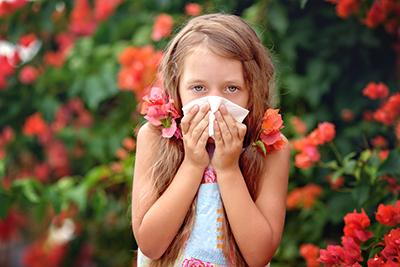
When your child is exposed to certain substances, an allergic response happens. Common allergens include seasonal allergens like grasses, trees, plant, and flower pollens; environmental allergens like pet hair, pet dander, dust mites, and mold; and food allergens like peanuts, shellfish, and dairy.

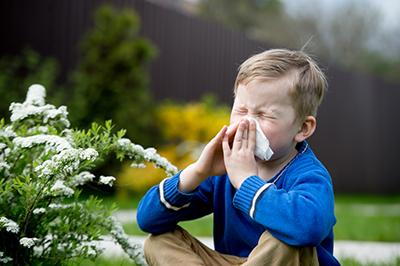
When exposed to these allergens, your child might experience itchy watery eyes, itchy runny nose, sneezing, coughing or wheezing, rashes, breathing problems, or sore throat or nausea. If you notice any of these signs, you should bring your child to see the pediatrician for allergy testing, which can include skin tests, challenge tests, or blood tests.

Your pediatrician may recommend several treatments to relieve allergy symptoms, including prescription-strength antihistamine or decongestant medications, nasal sprays containing steroids, sublingual immunotherapy, rescue inhalers and epi-pens, and allergy injections.

Remember that an allergic reaction can also be life-threatening, so you need to seek out emergency services if your child is turning pale, having severe breathing problems, or unable to speak.

Helping Your Child Sleep Better

Is your child having trouble getting to sleep or staying asleep? Occasional sleeplessness is usually nothing to worry about, but if your child is suffering from prolonged lack of sleep, it can have harmful physical and mental effects. Your pediatrician can help.

What You Need to Know About Helping Your Child Sleep Better

Sleep helps recharge your child’s body, boost their immune system, lower risk of illness and infection, keep them from overeating, manage stress and emotions, enhance brain health, and increase their ability to concentrate and problem solve.

According to the American Academy of Sleep Medicine, babies 4 to 12 months need 12 to 16 hours including naps, toddlers 12 to 24 months need 11 to 14 hours, children 3 to 5 years need 10 to 13 hours, children 6 to 12 years need 9 to 12 hours, and children 13 to 18 years need 8 to 10 hours.

To help your child sleep better, keep screens out of your child’s bedroom, set a bedtime and stick to it, limit caffeine and sugar intake, avoid large meals before bed, and keep your child’s bedroom calming, dark, and quiet. Developing a bedtime ritual like reading or a warm bath is also helpful to induce sleep.

Promoting Mental Well-being in Kids

Your child’s mental health is just as important as their physical health. It is extremely important that you’re nurturing your child’s mental health and giving them a safe space to process their emotions and any issues that they may be struggling with.

Nurturing Your Child’s Mental Well-Being

The CDC estimates that 1 in 5 children in the US experience a mental health disorder. The most common disorders are anxiety, ADHD, behavioral disorders, and depression. It’s important that you create an environment that helps to boost your child’s mental well-being and gives them a space where they feel safe enough to express their emotions and concerns.

Pay attention to any signs your child might display pertaining to mental health disorders, as there could be subtle changes in their actions and how they speak about specific things. Creating routines that your child can follow each day can also help with certain mental disorders.

When you notice that your child is struggling, it’s important that you don’t hesitate to bring them to their pediatrician. You can get the resources needed to ensure that your child has control over their own mental health.

FAQs About Newborn Care

Having a newborn is an exciting time, and a busy time. If you are new to parenting, you probably have some questions about newborn care. Your pediatrician has the answers and the expertise to help you.

What You Need To Know About Newborn Care

When should the first newborn care visit happen? The first newborn care visit with the pediatrician happens early, usually within 2 to 5 days of birth, often while you are both still in the hospital.

What about feeding my newborn? Newborn babies will want to feed every 2 to 3 hours if breastfeeding, or every 3 to 4 hours if formula fed.

What about the sleeping habits of my newborn? For the first few weeks, your newborn will want to sleep at least 16 hours a day. Remember to place your baby on his or her back to sleep.

What about diaper changes? Your baby’s stool will be black at first, then change to dark green, then to yellow. If the stool is red, visit the pediatrician, as it could be a sign of blood in the stool.

What about bathing my baby? Always use only mild soap and lukewarm water, and don’t bathe your baby too often because it will dry out their skin.

The Importance of Mental Health in Children

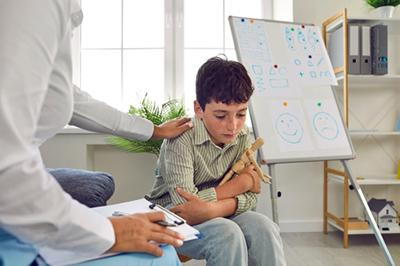
If your child is experiencing frequent sadness, your child could have depression. If your child feels anxious when experiencing new things, your child could have anxiety. Sadly, the mental health of children is often overlooked, but your child could need help from your pediatrician.

What You Need To Know About Children’s Mental Health

Mental health problems are just as common in children as in adults, but the issues frequently go unrecognized. Life changes such as moving to a new location, changing schools, losing friends and support, or death of a close family member can all cause difficulties with mental health.

Mental health services can help if your child is having difficulty in school, showing anxious behavior about school or social activities, complaining of frequent aches and pains, showing fits of temper or rage, having frequent nightmares, or having thoughts about self-harm or suicide.

A pediatrician doesn’t just help with children’s physical health. Your pediatrician can identify and help treat fear and anxiety disorders, sleeping and eating disorders, obsessive-compulsive disorder, and manic or clinical depression, through medications, counseling, relaxation techniques, and dietary and lifestyle counseling.

Helping Your Child Manage Chronic Conditions

If your child is dealing with a chronic condition, it can affect many aspects of their life. It’s important that you work with your child’s pediatrician to create a plan to manage their chronic conditions.

Helping Children Manage Chronic Conditions

There are many chronic conditions that children might deal with, including asthma, diabetes, epilepsy, food allergies, and obesity. When your child is dealing with any of these issues, it’s important that your child’s teachers understand and are prepared for any situations that may occur during school.

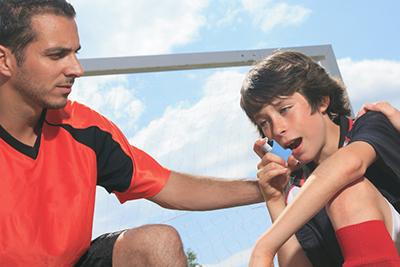
Depending on the condition, there are many ways to manage each one. With asthma, they may need an inhaler for relief during an attack, or medications each day to lessen symptoms. For both allergies and asthma, it’s important to help your child avoid specific triggers.

If your child has diabetes, it’s important that they’re getting their medication and that they have a balanced diet. Exercise is also crucial for every chronic condition that your child might deal with.

How to Recognize and Treat Common Childhood Illnesses

As a parent, you know that there are many illnesses that your child may come in contact with on a daily basis. Once an illness is identified, your pediatrician can start treatment as soon as possible so that your child feels back to normal in no time at all.

Recognizing Common Childhood Illnesses

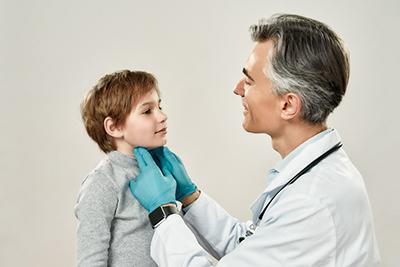
A common illness that children deal with is a sore throat, which could be strep throat or a normal sore throat from a virus. Strep throat is extremely contagious and may need antibiotics, so look for other symptoms like fever, swollen lymph nodes, or phlegm.

Many children deal with ear infections throughout their lives. If your child is too young to speak, you might notice them crying and pulling on their ears or refusing to eat or sleep. They will likely need antibiotics and in some cases, need tubes installed into their ears.

Everyone deals with the common cold, which can include congestion, runny nose, and cough, lasting up to 10 days without needing medication beyond pain relief.

Managing Common Childhood Allergies

When your child is dealing with allergies, it’s important that they get all the care that they need. Allergies can manifest in different ways and different children can have completely different reactions to each allergen.

Managing Your Child’s Allergies

There are many different types of common allergies that your child might deal with, such as pollen, pet dander, or certain foods. Common symptoms of an allergy attack include itchy eyes, rash, stomach cramps, hives, stuffy nose, and anaphylaxis.

Avoiding allergens is the best way to manage allergies. If your child is allergic to pollen, keep them inside on dry, windy days and shower after outdoor time. If allergic to pet dander, clean often and have your child wash their hands after touching a pet. Food allergies are very common and are easy to avoid by avoiding cross-contamination and alerting others when ordering food.