Child Safety: Preventing Accidents at Home and Outdoors

Ensuring your child’s safety is a top priority for every parent. Accidents can happen in an instant, whether at home or outdoors. By taking proactive measures, you can create a safer environment for your child. It’s important to understand what steps you can take to ensure that your child is safe and protected in any situation.

Keeping Your Child Safe From Danger

As your child grows, they may start to explore and become curious about the world around them. They must be able to explore, but also that they can explore safely. You should know how to protect your child from various dangers and prevent the risk of injury.

The first step in protecting your child is childproofing your home. Anchor heavy furniture, such as bookshelves and dressers, to the wall to prevent tipping. Use safety latches on cabinets, especially those containing cleaning supplies, medications, or sharp objects. Install outlet covers to prevent children from inserting objects into electrical sockets.

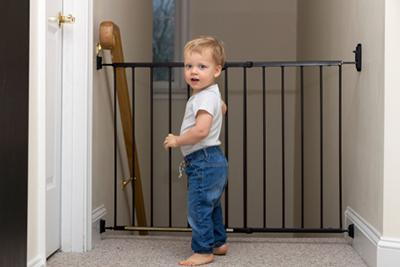
Use safety gates at the top and bottom of the stairs. Ensure windows have guards or stops to prevent falls. Keep all household chemicals, medications, and toxic substances out of reach and in locked cabinets. Be sure that you have the poison control number readily available and teach your child about the dangers of ingesting unknown substances.

As the weather gets warmer, outdoor play will become more prevalent. Always supervise your child on playgrounds and ensure they are playing on age-appropriate equipment. Check that playground surfaces are made of shock-absorbing materials like rubber or mulch to cushion falls. If your child is riding a bike or scooter, they should always wear a helmet and protective gear.

Never leave your child unattended near water, including pools, bathtubs, and natural bodies of water. Enroll your child in swimming lessons to teach them water safety and basic swimming skills.

Contact Our Pediatrician Today

Make sure your child can have fun safely. Contact your pediatrician to learn more about protecting your child in different situations.


Nutrition for Kids: Building Healthy Eating Habits

Establishing healthy eating habits in children is essential for their growth, development, and overall well-being. Good nutrition sets the foundation for a lifetime of health. It’s important to have an understanding of how you can help your child build healthy eating habits that they can improve on their entire life. By instilling these habits at a young age, you’re setting your child up for success and helping them avoid serious complications that can come with poor nutrition.

Making Healthy Nutritional Choices

When your child is young, you must encourage them to start making healthy choices to improve their physical health. This could include helping them choose healthy foods and encouraging them to partake in physical activities. With tips from your pediatrician, you can make sure that your child is healthy and happy.

Ensure your child’s diet includes a variety of fruits, vegetables, whole grains, proteins, and dairy. A diverse diet provides essential nutrients that support growth and development. Encourage colorful meals. Different colors in fruits and vegetables represent different nutrients, making meals visually appealing and nutritious. Colorful meals can also make mealtime fun and engaging for children.

Eating together as a family encourages healthy eating habits. It allows parents to model good eating behavior and promotes social interaction. Children are more likely to eat healthy foods if they see their parents doing the same. Demonstrate balanced eating habits and a positive attitude towards food. Turn off the TV and put away electronic devices during meals. Focus on the food and each other to make mealtime enjoyable and mindful.

Teach children about portion sizes. Use smaller plates and bowls to prevent overeating and help them recognize when they are full. Encourage your child to listen to their bodies, eat when hungry, and stop when they are full. Avoid forcing them to finish everything on their plate.

Contact Our Pediatrician Today

Building healthy eating habits in children requires a combination of variety, consistency, and positive reinforcement. Contact your pediatrician today to learn more about helping your child make healthy nutritional choices.

Childhood Sleep Disorders: Identifying Symptoms and Seeking Treatment

As parents, you’re familiar with the nighttime rituals of lullabies and bedtime stories, but what happens when those tender moments turn into hours of tossing and turning? Childhood sleep disorders can cast a shadow over a child’s well-being, affecting their mood, behavior, and overall development. Identifying the symptoms and seeking treatment is paramount in ensuring our little ones get the rest they need to thrive.

The first step in addressing childhood sleep disorders is recognizing the signs. While occasional night awakenings are OK, persistent difficulties falling asleep, staying asleep, or waking up too early could signal a deeper issue. Pay attention to your child’s behavior during the day as well – excessive daytime sleepiness, irritability, or difficulty concentrating may relate to poor sleep quality at night.

Childhood Sleep Disorders: Identifying Symptoms and Seeking Treatment

One common sleep disorder in children is insomnia, characterized by difficulty falling or staying asleep. It can stem from various factors such as stress, irregular bedtime routines, or underlying medical conditions. Another prevalent disorder is sleep apnea, where breathing pauses during sleep disrupt restfulness and can lead to daytime fatigue and behavioral problems.

Restless legs syndrome (RLS) and periodic limb movement disorder (PLMD) are also worth noting. Children with RLS experience uncomfortable sensations in their legs, often described as tingling or crawling. PLMD involves repetitive leg movements during sleep, potentially causing disruptions in the sleep cycle.

If you suspect your child is struggling with a sleep disorder, don’t hesitate to seek professional guidance. Consulting with a pediatrician or a sleep specialist can provide valuable insights and recommendations tailored to your child’s needs. Keep a sleep diary documenting your child’s sleep patterns, habits, and associated symptoms to assist in the diagnostic process.

Treatment options vary depending on the specific sleep disorder and its underlying causes. Establishing a consistent bedtime routine and creating a sleep-conducive environment can promote better sleep hygiene if you have insomnia. Cognitive-behavioral therapy may also be beneficial in addressing underlying psychological factors contributing to sleep difficulties.

Visit Our Pediatrician To Support Your Child’s Sleeping Habits

Visit a pediatrician if your child consistently struggles to fall or stay asleep and experiences frequent nightmares, sleepwalking, or bedwetting beyond age 5. Seek help if sleep disturbances disrupt daily functioning, cause excessive daytime sleepiness, mood changes, or behavioral issues.

Consult if there are underlying medical conditions, developmental delays, or if sleep problems persist despite trying behavioral interventions. Symptoms warranting medical attention are if your child snores loudly, experiences pause in breathing during sleep, or displays restless legs syndrome.

Managing Screen Time: Balancing Technology Use for Children

In today’s digital age, technology plays an integral role in our daily lives, offering endless opportunities for learning, entertainment, and connection. While screens can be valuable tools for children’s education and enrichment, excessive screen time can also have negative effects on their health and well-being. It’s important to find the right balance, which is essential for promoting healthy screen habits and ensuring that children’s use of technology remains positive and constructive. Creating a healthy balance with screen time can also encourage your child to continue to play outside and get the exercise that they need.

Balancing Screen Time for Children

It’s important to establish clear guidelines for screen time usage and communicate these expectations to your children. You should set specific limits on the amount of time allowed for recreational screen use each day, as well as rules around when and where screens can be used. Encourage breaks from screens and designate screen-free zones in the home, such as the dinner table or bedrooms.

Focus on the quality of screen time rather than just the quantity. Encourage your children to engage in educational and age-appropriate content that aligns with their interests and learning goals. Look for high-quality apps, games, and websites that promote creativity, critical thinking, and problem-solving skills. Monitor your child’s screen usage and intervene if you notice excessive time spent on mindless or inappropriate content.

Screen time can also help nurture new interests within your child. You should view screen time as a tool rather than a babysitter or default activity. Incorporate screens into your child’s daily routine in a purposeful and intentional manner. Use screens for educational purposes, such as virtual field trips, educational videos, and interactive learning games. Encourage your children to explore their interests and passions through technology, whether it’s coding, photography, music production, or graphic design.

Maintain open lines of communication with your children about their screen time habits and preferences. Discuss the benefits and potential risks of screen time, and encourage your children to share their thoughts, questions, and concerns. Be receptive to their feedback and involve them in the decision-making process when setting screen time limits and rules.

Contact Your Pediatrician Today

Make sure you’re helping your child learn to set boundaries and limits with their screen time. Contact your pediatrician to learn more about balancing your child’s screen time.

The Importance of Immunizations

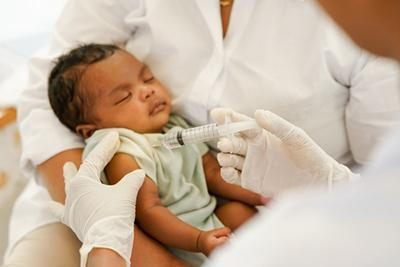
Children are surrounded by bacteria and viruses. Some of these bacteria and viruses can cause serious, even life-threatening diseases like meningitis, hepatitis, and tuberculosis. Immunizations safeguard your child’s health, and they are easily available from your pediatrician.

What You Need To Know About Immunizations

Immunizations are especially important for children because children are one of the most vulnerable age groups. The immune system of a child is not as robust as that of an adult. Children have a more difficult time fighting off diseases, and the symptoms can be much more severe in children.

In the past, contagious diseases like diphtheria, flu, and polio often killed people, and children were very susceptible. Now, thanks to the development of vaccines, children can be immunized to protect them from diseases.

Let’s look at just a few of the reasons why immunizations are important. Consider that immunizations are:

  • Safe, because the vaccines used have been rigorously tested and approved by both the FDA and CDC, before they are released for public use
  • Convenient, because vaccines can be easily administered at well visit and school or sports physical appointments with the pediatrician
  • Effective, because the vaccines have a success rate of 90% to 99% according to healthychildren.org
  • Required, so your child can attend daycare or school

The Centers for Disease Control publishes guidelines for which immunizations children need from birth through age 18. These vaccines are:

  • Hepatitis B
  • Diphtheria, Tetanus, Pertussis
  • Haemophilus influenzae type B
  • Polio
  • Pneumococcal conjugate
  • Rotavirus
  • Measles, mumps, rubella
  • Chickenpox
  • Hepatitis A
  • Human papillomavirus
  • Meningococcal conjugate
  • Flu
  • COVID

When your child is immunized, it protects your child, your family members, your child’s playmates, and your child’s teachers from contagious diseases. You can help prevent the spread of disease by having your child immunized.

When Should You See Your Pediatrician?

As parents, it’s natural to feel concerned about your child’s health and well-being, especially when they’re experiencing symptoms or discomfort. While many childhood illnesses and injuries can be managed at home with proper care, there are times when it’s important to seek medical attention from a pediatrician. You should also be aware that you’ll need to take your child to their pediatrician even when they aren’t sick to ensure that they continue to stay as healthy as possible.

Knowing When To Visit Your Pediatrician

If your child develops a fever, it’s important to monitor their temperature and seek medical attention if it persists or is accompanied by other concerning symptoms, such as lethargy, irritability, difficulty breathing, or dehydration. Fever in infants under three months of age should always prompt a call to the pediatrician, as it may indicate a serious infection that requires prompt evaluation and treatment.

If your child is dealing with symptoms such as vomiting, diarrhea, abdominal pain, or dehydration, it may indicate gastrointestinal infections, food poisoning, or other digestive disorders. If your child is unable to keep fluids down, shows signs of dehydration, or has severe abdominal pain, it’s important to seek medical attention from your pediatrician as soon as possible.

Regular well-child check-ups are an important aspect of preventive pediatric care, providing opportunities for your pediatrician to monitor your child’s growth and development, administer vaccinations, and address any concerns or questions you may have about your child’s health and well-being. It’s important to attend scheduled well-child check-ups according to the recommended schedule to ensure that your child receives the best possible care and support for their ongoing health and development.

How Often Should My Child Be Seeing a Pediatrician?

Here’s the scoop on why you should be bringing your little ones in to see a pediatrician regularly.

It’s important that you make time to bring your children in to see our pediatrician for regular checkups even if everything seems fine. These regular checkups are crucial for monitoring your child’s growth and health. How else will you be able to prevent illness or detect issues early on in your child?

Well-child checkups will begin a few days after your child is born and will continue until the age of 18. Younger children will have to come in more regularly for checkups, while these checkups will be more spread out as a child gets older.

Why Are Wellness Checkups So Important for Children?

Several benefits make these visits with our pediatrician so crucial for all children, no matter how healthy they are. Some of these benefits include,

Prevention: You’ve heard that an ounce of prevention is worth a pound of cure, right? That’s because it’s true! If your child gets regular checkups, immunizations and screenings, our pediatrician can better protect them from a variety of serious and potentially life-threatening health problems.

Development: Your child is growing by leaps and bounds and it’s important that they are reaching all of these milestones when they should. The only way to be able to monitor your child’s growth and development is through these regular wellness visits.

Communication: This is also a time to ask questions and address any concerns you might have about your child’s health.

Rapport: A pediatrician is going to be with you and your child every step of the way, from the moment they are born until they go off to college. The bond and relationship you develop with your pediatrician are invaluable.

What To Expect at a Behavioral Health Evaluation

As a parent, it’s only natural to be curious about your child’s behavior. Is your child’s behavior normal, or is it a sign your child needs help? A behavioral health evaluation from your pediatrician can help identify behavioral issues early, so they can be treated.

What You Need To Know About Your Child’s Behavioral Health

Children reach all kinds of milestones as they grow, and behavioral milestones happen too. It’s important for you to know normal behavioral milestones. These are just a few of the normal behaviors you might see in your child:

  • Defiance, which is a sign your child is testing boundaries and exerting independence
  • Withdrawing, which is a sign your child needs to show autonomy, and wants to accomplish things without your help
  • Acting out, which can be a sign of your child reacting to major changes in life, like moving to a new school, divorce, or death of someone close

Your child can benefit from a behavioral health evaluation if you notice your child is:

  • Threatening or harming others, pets, or themselves
  • Damaging things belonging to others
  • Having difficulty forming or keeping relationships with others
  • Showing frequent signs of unhappiness or depression
  • Demonstrating anxiety about going to school
  • Exhibiting defiance and hostility toward authority figures
  • Frequently lying, arguing, stealing, or skipping school
  • Using drugs, drinking, or smoking at an early age

When you visit the pediatrician for a behavioral health evaluation, it’s important to know what to expect. During the behavioral health evaluation, your pediatrician will perform a complete medical examination, order laboratory work and other testing to aid in diagnosis, and observe your child’s behaviors and record any signs you and other members of your household have observed.

After a comprehensive evaluation, your pediatrician will design a treatment plan to limit or eliminate bad behaviors and encourage good behaviors. The treatment plan may include individual, group, and family counseling, lifestyle modification including diet and exercise, medication if necessary to modify behavior, and additional specialty care with a child psychologist.

The Importance of Regular Well Visits

You want to safeguard your child’s health, but you can’t do it alone. You need some help. Regular well visits to your pediatrician can protect your child’s health by providing preventive services such as physical examinations and immunizations, and identifying potential medical issues early, so they can be treated.

How Well Visits Can Help Your Child

Prevention is the key to staying healthy, especially for children. Regular well-child visits should happen early, with the first one typically occurring within 2 to 5 days of birth. After the first visit, well-child visits should be scheduled at 2 weeks, followed by visits at 1,2,4,6,9,15, 18, and 24 months, according to the American Academy of Pediatrics.

During a regular well visit, your pediatrician will measure your child’s height, weight, and other essential information, order any imaging studies or laboratory testing if necessary, and discuss any concerns and answer any questions you have about your child’s eating, sleeping, or behavioral issues.

During a well visit, your pediatrician may also evaluate your child for attention deficit hyperactivity disorder or ADHD, autism, learning delays, and other developmental conditions. Early detection and treatment are critical to the healthy development of your child.

Regular well visits are also one of the best ways to make sure your child is current on immunizations. Immunizations are also required for your child to attend daycare or school.

The Importance of Early Childhood Vaccinations

Children are one of the most vulnerable age groups because a child’s immune system is not as well developed as that of an adult. Early childhood vaccinations play an important role in keeping your child healthy.

How Early Childhood Vaccinations Help Your Child

In times past, many children died of contagious illnesses and diseases like diphtheria, polio, and flu. There was no protection for children, other than home remedies. Fortunately, today’s children are protected with vaccinations. In addition to protecting your child’s health, when your child is vaccinated, it prevents the spread of disease. That means it also helps protect your family members and you, from catching a contagious illness or disease.

There is a lot of misinformation out there about vaccines. You need to know that vaccines are safe, because they are rigorously tested and approved by the FDA before they are released to the public; vaccines are required for your child to attend daycare and school; and vaccines are easy and convenient, because they can be administered at a regular wellness visit.

It’s never too early to get your child vaccinated. In fact, the first doses of some vaccines may be administered within a few days of birth. Subsequent vaccinations occur at regular intervals during wellness visits and physicals.

These are the vaccines your child needs from birth through age 18, according to the Centers for Disease Control: Hepatitis B, Diphtheria, Tetanus, Pertussis, Haemophilus influenza type B, Polio, Pneumococcal conjugate, Rotavirus, Measles, mumps, rubella, Chickenpox, Hepatitis A, Human papillomavirus, Meningococcal conjugate, Flu, and Covid.

As a parent, you want to have peace of mind, knowing you have taken the best care of your child’s health. Early childhood vaccinations can protect your child, and give you peace of mind.