How to Create a Bedtime Routine for Toddlers

How to Create a Bedtime Routine for Toddlers

Establishing a bedtime routine for your toddler is one of the best ways to ensure they get the restful sleep they need to grow and thrive. A consistent routine not only helps your child wind down but also creates a sense of security and predictability. If you’re unsure where to start, here are some simple steps to create a bedtime routine that works for your family.

Start with a Set Bedtime

Toddlers thrive on consistency, so choose a bedtime that works for your child’s schedule and stick to it. A regular bedtime helps regulate their internal clock, making it easier for them to fall asleep and wake up at the same time each day.

Incorporate Calming Activities

About 30 minutes before bedtime, begin a series of calming activities to signal that it’s time to wind down. This might include a warm bath, reading a favorite story, or singing a lullaby. Avoid stimulating activities like screen time, as these can make it harder for your toddler to settle down.

Create a Comfortable Sleep Environment

Make sure your child’s bedroom is conducive to sleep. Keep the room dark, quiet, and at a comfortable temperature. A favorite blanket or stuffed animal can also provide comfort and help your toddler feel secure.

Be Consistent

Repetition is key to establishing a successful bedtime routine. Follow the same steps in the same order each night to help your toddler understand what to expect. Over time, this consistency will make bedtime smoother for both you and your child.

When to Seek Guidance

If your toddler struggles with sleep despite a consistent routine, it may be time to consult a pediatrician. Sleep challenges can sometimes be linked to underlying issues, and a pediatrician can provide personalized advice and support.

Schedule a Visit with Your Pediatrician

A good night’s sleep is essential for your toddler’s health and development. If you have questions about bedtime routines or sleep concerns, don’t hesitate to reach out to your pediatrician for guidance!


How to Support Your Child’s Immune System Naturally

As parents, we all want our children to stay healthy and strong, especially when flu season rolls around or germs seem everywhere. A strong immune system plays a vital role in keeping kids protected from illnesses, so supporting it in the best way possible is important. While vaccines, regular hygiene, and medical checkups are essential, several natural ways help boost and maintain your child’s immune health. Understanding how you can support your child’s health and help them stay healthy and protected each day is important.

Keeping Your Child Healthy Naturally

What your child eats directly affects how well their immune system functions. A balanced diet that includes a variety of vitamins and minerals is essential for a strong immune response. A well-balanced diet that includes a mix of fruits, vegetables, whole grains, healthy fats, and lean proteins can go a long way in helping your child’s immune system function optimally. Key nutrients to focus on include:

  • Vitamin C
  • Vitamin D
  • Zinc
  • Probiotics

It might sound counterintuitive, but regular physical activity can help boost your child’s immune system. Exercise promotes better circulation, allowing immune cells to move freely throughout the body and efficiently respond to potential threats. It also helps reduce stress and inflammation, negatively affecting immune function. Even just 30 minutes of moderate exercise per day can positively impact your child’s overall health and immune system.

It’s also important that you ensure your child gets the sleep they need to stay healthy. Sleep is when the body can rest and repair itself, giving the immune system time to regenerate. This can also ensure that your child has the energy to focus throughout the day and feel like their best self.

Other important things to focus on include ensuring your child is hydrated throughout the day and maintaining hygiene.

Contact Our Pediatrician Today

Keep your child healthy through lifestyle choices. Contact your pediatrician to learn how everyday decisions impact your child’s health.

The Evolving Role of Pediatricians in Modern Child Healthcare

When you think of a pediatrician, you might picture a friendly doctor measuring your child’s height or listening to their heartbeat during an annual visit. While these routine check-ups remain essential, today’s pediatricians do so much more. They are partners in your child’s overall health, addressing not just physical well-being but emotional and developmental needs as well.

A Focus on Prevention

One of the most exciting changes in pediatric care is the growing emphasis on preventive medicine. Pediatricians now work closely with families to build healthy habits early on, habits that can last a lifetime. From offering advice on nutrition and sleep routines to discussing screen time and physical activity, pediatricians provide personalized guidance to help children thrive.

Supporting Mental Health

Mental health is a critical part of modern pediatric care. With increasing awareness of conditions like anxiety, depression, and ADHD in children, pediatricians are often the first to identify and address these challenges. They can screen for early signs, provide support, and connect families with specialists when needed. This proactive approach ensures children get the help they need as early as possible.

Advocates for Community Health

Pediatricians don’t just care for individual children—they also work to improve the health of entire communities. By collaborating with schools, public health organizations, and local programs, they address broader issues like vaccination rates, childhood obesity, and access to care. Pediatricians are champions for policies and initiatives that create healthier environments for all children.

Take the Next Step

If it’s been a while since your child’s last check-up, now is the perfect time to schedule a visit. Think of it as an investment in your child’s future and a chance to ensure they’re growing, thriving, and ready to take on the world. Reach out to your pediatrician today!

Building a Strong Immune System in Kids: Tips for Parents

You want your child to stay as healthy as possible; a strong immune system is important protection. So, how do you help your child build a strong immune system? Your pediatrician can help.

How You Can Help Your Child Build a Strong Immune System

One of the easiest and best ways to help your child build a strong immune system is to make sure your child stays current on vaccinations. Vaccinations are important because they:

  • Protect your child against serious, contagious illnesses and diseases by developing antibodies as part of a healthy immune system
  • Protect against the spread of serious and infectious illnesses and diseases
  • Are required for your child to attend daycare and school

You should also teach your child about limiting exposure to viruses and bacteria. You need to:

  • Teach your child about frequent and thorough hand washing
  • Talk with your child about avoiding touching their face with their hands

A healthy diet, rest, and exercise are important ways to build a strong immune system. You need to teach your child to:

  • Eat nutrient-dense foods like vegetables, fruits, whole grains, and lean proteins
  • Avoid empty calories from sodas, sugary treats, and fast food
  • Get at least 8 to 10 hours of high-quality sleep
  • Exercise for at least 30 minutes on most days of the week

Regular visits with the pediatrician for well-child visits and school and sports physicals can help ensure your child maintains a healthy immune system. The pediatrician can identify potential medical issues and provide early treatment. A strong immune system and early treatment of illnesses are the keys to your child enjoying a healthy, active life.

Want To Know More About Keeping Your Child Healthy?

Talk with an expert to learn more tips on helping your child build a strong immune system, including immunizations. Call your pediatrician today.

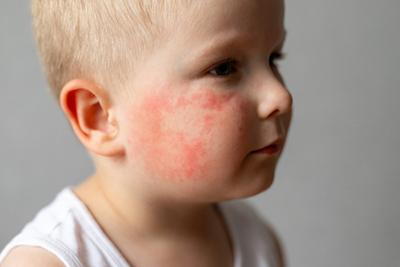
Understanding Childhood Rashes: Causes, Treatments, and When to Seek Help

Children are prone to rashes; while most are harmless, some require medical attention. Recognizing the symptoms and knowing when to seek treatment can help parents ensure their child’s skin remains healthy and comfortable.

Common Childhood Rashes

Diaper Rash

Diaper rash is produced by prolonged wetness, stool or urinary irritation, or sensitivity to diaper substances. Red, inflamed skin on the diapered skin is observed. The rash is uncomfortable. It is treated by maintaining skin dryness, using cream barriers, and frequent diaper changes.

Eczema (Atopic Dermatitis)

Eczema

Eczema is a disease of the skin that dries, inflames, and makes skin scratchy. Eczema is likely to develop in patchy knees, elbows, or face regions. Keeping skin damp, avoiding triggers, and following treatment regimens may alleviate flare-ups.

Heat Rash

Heat rash is caused by sweat clogging under the skin and creating small, red, or clear bumps. It is prone to develop in humid, warm spots. Prevention and consolation of heat rash are made by keeping the child cool, dressing them in light-colored clothing, and maintaining good ventilation.

Hives

Hives are red, swollen bumps on any area of the body caused by allergies, infections, or other causatives. They heal on their own but may require antihistamines if they become chronic.

Hand, Foot, and Mouth Disease (HFMD)

HFMD is a viral infection causing small blisters on the hands, feet, and inside the mouth. It’s often accompanied by fever and sore throat. While there is no specific treatment, keeping the child hydrated and managing symptoms with pain relievers can help.

When to See a Pediatrician

Most rashes are mild and resolve with home care, but some require medical evaluation. Seek medical attention if the rash:

  • Is accompanied by fever, difficulty breathing, or swelling
  • Spreads rapidly or worsens despite treatment
  • Appears infected with pus, crusting, or increased redness
  • Does not improve after a few days of home care

Keeping Your Child’s Skin Healthy

To minimize the risk of rashes, keep your child’s skin clean, moisturized, and protected from harsh irritants. Using gentle, fragrance-free skin care products and dressing your child in breathable fabrics can also help prevent common skin issues.

If your child develops a rash that doesn’t improve or causes discomfort, consult a pediatrician for proper diagnosis and treatment. Early intervention ensures faster relief and prevents complications.

Recognizing and Treating Common Childhood Rashes

Rashes are common in children, and while most are harmless, a few can signal more serious issues. Knowing what triggers these rashes and recognizing their symptoms helps parents act quickly to keep their children healthy.

Common Causes of Childhood Rashes

Diaper rash is frequently caused by prolonged moisture exposure, diaper irritation, or fungal infections. Eczema, or atopic dermatitis, leads to dry, itchy patches that may trigger allergens, irritants, or weather changes. Viral infections like hand, foot, and mouth disease result in small blisters on the hands, feet, and mouth, often accompanied by mild fever. Chickenpox presents as itchy, fluid-filled blisters along with flu-like symptoms. Heat rash develops when sweat glands block, leading to red bumps, particularly in hot or humid conditions. Hives appear as raised, red welts, often in response to an allergic reaction or infection.

When to Seek Medical Attention

Many rashes can simply be taken care of at home, but medical evaluation is warranted for symptoms such as a spreading, worsening rash, fever, drowsiness, or difficulty breathing. Sore, blistered, and oozing rashes could represent infection. Any rash lasting a few days and not responding warrants a consultation with a pediatrician.

Treatment and Prevention

Keeping the skin clean and dry is essential for rash management. Gentle, fragrance-free skincare products can help soothe irritation. Over-the-counter creams, such as hydrocortisone for eczema or antifungal treatments for diaper rash, may provide relief. Avoiding known allergens, maintaining proper hydration, and ensuring a balanced diet contribute to overall skin health.

Final Thoughts

While childhood rashes can and will sometimes occur, knowing when and whom to seek a medical evaluation can significantly impact proper management. For a concerning rash, a consultation with a pediatrician can ensure proper care for your child’s skin.

Nutrition for Kids: Tips for Building Healthy Eating Habits

Proper nutrition is essential for children’s growth, development, and well-being. As parents, fostering healthy eating habits in your children sets the foundation for a lifetime of good health and a positive relationship with food. When you take the time to establish a healthy relationship with nutrition, it can end up benefiting your child for the rest of their life.

Nurturing Healthy Nutrition Goals

Children learn by example, so parents must model healthy eating behaviors. Be mindful of your food choices and attitudes toward eating, and prioritize nutritious, balanced meals and snacks for the whole family. Involve your children in meal planning, grocery shopping, and food preparation to help them develop an appreciation for healthy foods. This will help your child understand what goes into a meal and increase their interest in trying new foods.

Provide a diverse array of nutrient-rich foods to ensure your child receives a wide range of essential vitamins, minerals, and macronutrients. Be sure to include plenty of fruits, vegetables, whole grains, lean proteins, and healthy fats in your child’s diet. Offer a rainbow of colorful fruits and vegetables to provide a variety of vitamins and antioxidants, and opt for whole grains such as brown rice, quinoa, and whole wheat bread for added fiber and nutrients.

While it’s okay to enjoy occasional treats in moderation, limiting the consumption of processed foods, sugary snacks, and sugary beverages in your child’s diet is essential. These foods are often high in added sugars, unhealthy fats, and empty calories and can contribute to weight gain, dental problems, and poor overall health. Instead, focus on offering whole, minimally processed foods as much as possible.

Create a structured meal and snack schedule to help regulate your child’s appetite and prevent excessive grazing throughout the day. You can also make mealtime fun and engaging by getting creative with food presentation and preparation. Experimenting with different flavors, textures, and cooking methods can help to keep meals exciting and enjoyable for your child. Encourage your child to help prepare meals and snacks and involve them in age-appropriate kitchen tasks such as washing fruits and vegetables, stirring ingredients, and assembling meals.

Contact Our Pediatrician Today

Your child’s nutritional habits can impact them for the rest of their life! Contact your pediatrician to learn more about nutrition and your child.

How to Encourage Physical Activity in Children

Encouraging children to be physically active is essential for their physical, mental, and emotional well-being. With the rise of screen time and sedentary lifestyles, it’s more important than ever to foster healthy habits that include regular physical activity. Discover ways to incorporate physical activity into your child’s daily routine to ensure that they’re able to stay healthy and happy and find outlets for their energy.

Promoting Physical Activity in Children

The key to getting kids moving is to make physical activity enjoyable. Choose activities that align with your child’s interests. Whether it’s playing soccer, dancing, riding bikes, or even playing tag, the goal is to make exercise feel like play rather than a chore. Incorporate games and challenges to keep things exciting and varied. This also helps your child explore their imagination and continue to learn and play.

Children often model their behavior after their parents. If they see you active and enjoying physical activities, they’re likelier to do the same. Participate in physical activities together as a family, such as hiking, swimming, or walking. This not only promotes physical health but also strengthens family bonds.

Create a daily or weekly routine that includes time for physical activity. Consistency helps children develop healthy habits that can last a lifetime. Whether it’s a morning bike ride or an after-school dance session, having a regular schedule ensures that physical activity becomes a natural part of your child’s day.

Excessive screen time can contribute to a sedentary lifestyle. Set reasonable limits on screen time and encourage active alternatives. Balancing screen time with physical activity helps promote a healthier lifestyle. Outdoor play offers countless opportunities for physical activity. Encourage your child to spend time outside, where they can run, jump, climb, and explore. Activities like playing at the park, gardening, or even a nature scavenger hunt can help children stay active while enjoying the outdoors.

A supportive and positive environment encourages children to be active. Avoid using exercise as punishment; instead, present it as a fun and rewarding activity. Encourage a healthy attitude toward physical activity by focusing on the benefits, such as feeling strong, energetic, and happy.

Contact Your Pediatrician Today

Learn how to encourage your child to stay active. Contact your pediatrician to learn more today.

Dealing with Behavioral Issues: Strategies for Parents

Parenting comes with challenges, and dealing with behavioral issues is one of the most common and demanding aspects. Understanding the root causes and implementing effective strategies can make a significant difference. Various problems can cause behavioral issues, and you must treat your child with care and understanding. Discussing behavioral issues with your pediatrician is crucial to find out why your child might be behaving a certain way.

Understanding Behavioral Issues

Observe your child to identify specific triggers that lead to behavioral issues. These could include fatigue, hunger, changes in routine, or environmental factors. Knowing the triggers helps in anticipating and preventing issues before they escalate. Children often act out because they cannot express their emotions effectively. Encouraging your child to talk about their feelings can help them understand and manage their emotions better.

You should ensure that your child has proper outlets for dealing with different emotions. When your child understands how to manage big feelings, it can help you avoid dealing with behavioral issues. When addressing behavioral issues, speak calmly and clearly. Avoid yelling or using harsh language, as this can escalate the situation. Explain the consequences of their actions and why certain behaviors are unacceptable.

Maintaining a consistent daily routine provides children with a sense of security and predictability, which can reduce behavioral issues. Ensure regular times for meals, homework, play, and sleep. Set clear and concise rules for appropriate behavior for your child’s age. Ensure your child understands what is expected and the consequences of not following the rules.

Encourage your child by acknowledging their efforts, even if they don’t succeed. This helps build their self-esteem and motivates them to keep trying. Recognize and reward positive behavior to encourage it. Praise your child when they exhibit good behavior, and consider using a reward system, such as stickers or extra playtime, to reinforce these actions.

Contact Your Pediatrician Today

Make sure you understand how to help your child through behavioral issues! Contact your pediatrician for more tips and tricks about navigating your child’s emotions.

Building Resilience in Children Through Positive Reinforcement

Regularly using positive reinforcement with children has numerous benefits, such as promoting better behavior. Positive reinforcement also helps kids develop a positive outlook and encourages them to solve problems when faced with challenges. Additionally, positive reinforcement helps build self-confidence and resilience.

Positive Reinforcement

Positive reinforcement is an effective way to encourage and promote desired behaviors in children. Rather than using punishment to discourage unwanted behaviors, positive reinforcement focuses on reinforcing desired behaviors with a reward. For example, a child who puts their toys away after playing could receive praise or a treat as positive reinforcement for that desired behavior. That same behavior is then more likely to be repeated.

There are several ways to implement positive reinforcement with children. Offering a tangible reward, such as a treat or toy, is not always necessary. Encouraging actions, such as verbal praise or a high-five, can also have a positive impact on reinforcing that same behavior, making the child more likely to continue behaving in the desired manner.

Examples of positive reinforcement that can be effectively used with children to encourage desired behaviors, such as completing homework or chores, include:

  • Giving verbal praise (such as “great job”)
  • Offering a reward, such as a favorite activity or snack
  • Encouraging kids to try and not worry about the outcome
  • Acknowledging effort even if the outcome wasn’t what your child hoped for
  • Using charts to keep track of progress toward a specific goal
  • Patting your child on the back or giving a high-five
  • Giving your child attention or your time
  • Giving affection (such as a hug)
  • Allowing extra play time

Benefits of Positive Reinforcement

Positive reinforcement has numerous benefits, one of which is that it helps build resilience in children. It builds confidence, strengthens relationships, and encourages kids to try again even when they lose a game, fail an assignment, or face other unwanted outcomes. All of these things contribute to a child’s becoming more resilient.

Other benefits of positive reinforcement include promoting desirable behaviors that help kids succeed in different areas, including home life, school, and extracurricular activities. Positive reinforcement also helps children develop problem-solving skills, which are beneficial when facing challenging situations. Additionally, positive reinforcement can help reduce anxiety by helping kids develop emotional resilience.

Positive reinforcement is a highly effective technique for building resilience in children. Speak to a pediatric provider to learn more about implementing positive reinforcement strategies with your kids.