Head Lice And How To Treat It

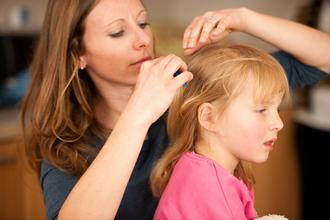
You’ve just received a call from the school: someone in your child’s class has head lice. Your pediatrician can help guide you through the best methods for getting rid of pesky head lice once and for all.

If you notice head lice in your child there’s no way around it: you have to treat the lice. They will not go away on their own. You should also check all members of your family to make sure they don’t have lice too, as this problem can spread quickly.

The good news is that you can often treat lice from the comfort of your own home. There are a variety of over-the-counter shampoos and rinses that can kill lice and their eggs (also known as nits).

Still seeing lice? A pediatrician can prescribe a much stronger treatment option such as shampoos containing benzyl alcohol, or lotions containing either ivermectin or malathion, or spinosad.

Treating Your Home After Lice

Lice need blood in order to survive so they won’t live very long if they don’t have a human host. However, you will want to wash all bedding, towels and clothes that may have lice or nits on them in hot water higher than 130 degrees F.


When Does My Child Need Stitches?

We all know how accident-prone kids can be. Most of the time, boo-boos are nothing to worry about, but sometimes a cut or laceration may require turning to your pediatrician for stitches. Telltale signs your child might need stitches: the cut is still bleeding after five minutes of pressure, is more than half an inch deep or longer, is around their eye, is on their face or neck and longer than a quarter inch, is gaping open, has an object sticking out of it, or is spurting blood.

When should I call the pediatrician?

If in doubt about whether or not your child may need stitches, call your pediatrician. With telehealth visits, many pediatricians can now look at images of the injury and determine whether the child needs to come in. Even if the cut doesn’t need stitches, you should still see the doctor if it was made by a rusty or metal object, shows redness or swelling, was from an animal bite, hasn’t healed within 10 days, or is still severely painful after a few hours.

Cuts and wounds made by metal, rusty, or dirty objects may require your child to get a tetanus shot within 2-3 days after the injury.

Diabetes in Children

In the past, the most common type of diabetes to affect children and teens was type 1 diabetes, also referred to as juvenile diabetes. While type 1 diabetes is quite common in children, pediatricians are also seeing a rise in type 2 diabetes in children and teens, coinciding with an increase in childhood obesity rates.

Symptoms of Type 1 Diabetes

Type 1 diabetes is most commonly diagnosed in children between the ages of 5 and 6, and 11 to 13. Symptoms typically appear suddenly and include frequent urination particularly at night, excessive thirst or hunger, weight loss despite increased appetite, and cuts or wounds that don’t heal or are slow to heal.

Symptoms of Type 2 Diabetes

Unlike type 1, type 2 diabetes symptoms usually appear gradually. If your child is obese or overweight, they may be at an increased risk. Symptoms are similar to type 1, with the marked differences being blurry vision, severe fatigue, and tingling or numbness in the hands and feet.

Treating Diabetes in Children

Even though there is no cure for diabetes, treatment can control blood sugar levels to prevent complications. Standard treatment includes managing diabetes through insulin therapy, monitoring blood sugar levels throughout the day, eating a healthy diet, and getting regular exercise.

When Should My Child Get a Tetanus Shot?

All children need to get a tetanus shot. This bacterium isn’t just found on rusty metal items, it also lives in soil and dirt. If your child enjoys running around outside barefoot, they must be keeping up with their tetanus shots.

When should my child get their first tetanus shot?

Tetanus is completely preventable with a vaccination. The DTaP vaccine is used to prevent tetanus (along with diphtheria and pertussis) and your child will get their first series of shots at 2, 4, and 6 months, another between 15 to 18 months old and between 4-6 years old.

Children should continue to get a tetanus shot during their annual pediatric checkup until they turn 18 years old, getting the Tdap booster shot instead. Once your child reaches adulthood, they will get a Td vaccination.

What are the signs and symptoms of tetanus?

Most children will develop symptoms within two weeks of exposure. Symptoms include painful and severe muscle spasms, shoulder/jaw/neck stiffness, difficulty breathing and swallowing, rapid heart rate, and fever. If left untreated, tetanus can be life-threatening.

Keeping Your Child Safe While Traveling

Whether you’re taking a weekend trip or flying internationally, you must know how to keep everyone healthy and safe while on vacation.

Bring all Medications with You

And make sure you have enough, especially for longer trips. If you’re flying, pack all medications in your carry-on, just in case the airline loses your luggage.

Get the Appropriate Vaccinations

Traveling abroad may require certain vaccines ahead of time. Schedule an appointment with your child’s pediatrician about a month in advance. Depending on where you’re traveling, your pediatrician may recommend immunizations against typhoid, yellow fever, meningitis, or rabies, or antimalarial drugs.

Get Travel Insurance

Having travel insurance can be a major stress-reliever if your child breaks their arm or gets sick abroad. Most travel insurance covers kids under 17 and provides emergency care and 24/7 assistance.

Traveling During COVID-19

Medical officials highly recommend avoiding travel unless essential. If you do need to travel, wear a mask, practice good hygiene and social distancing, and choose outdoor places to avoid crowds.

Does My Child Have a Broken Bone?

Accidents happen. It’s important to recognize whether your child could be dealing with a broken bone so that you can bring them in to see their pediatrician right away. Warning signs of a broken bone include pain, swelling, bruising, tenderness, a popping or snapping sound at the moment of injury, trouble straightening the limb, inability to put weight on the area, or limited range of motion.

If the bone is visible through the skin, call 911 or head to your nearest emergency room. If there is no bone visible but your child is still experiencing these symptoms, call your pediatrician right away. The most common fractures in kids affect the bones of the elbows, ankles, and wrists.

How is a broken bone treated?

Your pediatrician will run X-rays to determine the location and severity of the break, then place a splint or cast around the broken bone to provide support and stabilization. Your doctor may also recommend home exercises or refer your child to a pediatric orthopedist for physical therapy, and you will need to bring your child back in a few weeks to check healing progress.

Signs of a Pediatric UTI

A urinary tract infection isn’t just something that happens to adults. Children can also develop UTIs, and are more likely to suffer kidney damage as a result, so see your pediatric doctor right away if you suspect a UTI. Signs include increased urgency to urinate with no output, cloudy or strong-smelling urine, decreased urine output, burning sensation when urinating, lower stomach or back pain, crying when urinating, or wetting the bed.

Infants and young children can’t tell us what hurts, so look for fever, loose stools, refusing to eat, increased irritability, and strong-smelling urine in diapers.

Diagnosing UTIs in Children

A simple urine sample can detect the presence of bacteria, examined under the microscope with results in minutes, determining the type of antibiotics prescribed.

Treating Childhood UTIs

Untreated UTIs can lead to more serious problems including kidney infections, abscesses, and sepsis. Your pediatrician can prescribe antibiotics, and your child should get plenty of fluids. It’s important that your child continues taking medication even after feeling better, and to call your pediatrician if symptoms don’t improve within three days or get worse.

Keeping Your Child Safe in the Car

Around 46 percent of car and booster seats are improperly used, greatly impacting their efficacy. With car accidents being the leading cause of death in children in the US, parents must know how to keep their children safe while riding in the car.

Types of Car Seats

Children from birth until 3 years old use a rear-facing car seat. From 3-7 years old, children upgrade to the forward-facing car seat. The booster seat is typically used from 5-12 years, depending on height and manufacturer’s guidelines. Children should be at least five years old, weigh at least 40 pounds, and meet the height and weight requirements before upgrading to a booster seat.

Choosing the Right Car Seat

The National Highway Traffic Safety Administration (NHTSA) provides useful information to help compare car seats. Your pediatrician can also provide advice on choosing the right one.

Installing Your Child’s Car Seat

Read the manufacturer’s installation guide before starting. The NHTSA also provides helpful safety tips for successful installation, and once installed, you can have it inspected to make sure it’s properly done.

Your Child and Chicken Pox

Chickenpox is a highly contagious virus that can cause a terribly red and itchy rash all over the body and face.

How can I tell that it’s chickenpox?

Most children develop common infection symptoms before the rash even develops: sore throat, fever, stomach upset, headache, body aches, and loss of appetite. The rash usually appears 1-2 days after exposure, consisting of itchy, fluid-filled blisters that crust over within 4-5 days.

How is chickenpox treated?

Keep your child from scratching the rash to avoid infection. Home remedies include calamine lotion, staying hydrated, baking soda baths, cold compresses, and over-the-counter antihistamines (talk with your pediatrician first).

Should my child see a doctor?

Call your pediatrician if your newborn shows signs of chickenpox, the fever goes away and comes back, your child has a high fever, or areas of the rash are getting larger or painful.

Is there a way to prevent chickenpox?

Children today can be protected with a vaccine administered in two doses: at 12 to 15 months, and again at 4-6 years old.

Helping Your Child Live Well With Asthma

Asthma is one of the most common chronic disorders that pediatricians diagnose in children and teens. Symptoms include wheezing, shortness of breath, rapid shallow breathing, fatigue, easily winded especially after exercise, a persistent cough worse at night, and chest tightness.

Visit the pediatrician often

Even if symptoms seem well managed, regular pediatric visits let your doctor evaluate whether current medications are fully controlling symptoms.

Create an asthma action plan

Sit down with your child’s doctor to create a detailed plan outlining how you’re managing symptoms and what to do during an attack.

Alter your child’s lifestyle

Talk with your pediatrician about your child’s asthma triggers, like pet dander or pollen, and find ways to avoid them, including bathing pets weekly and keeping the house clean.