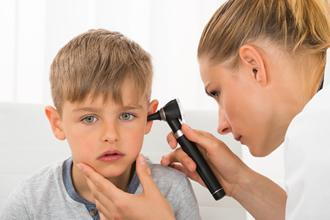
Does My Child Need Glasses?

We all want our children to be healthy and to have the best chance for success, especially once they start school. Of course, your child must be getting regular vision screenings with their pediatricians. After all, vision is critical to your child’s ability to learn, communicate, and understand, and vision problems can impact your child’s school performance and quality of life. Could your child need glasses? Here are some telltale signs.

You Catch Them Squinting When Reading

When your eyes have trouble focusing on an image, squinting may actually help your child see or focus better. Your child may squint when reading anything far away such as a menu behind a restaurant counter or when reading the chalkboard at school. Your child’s teacher may even let you know that your child needed to move closer to the front to see what was written on the chalkboard. This is a telltale sign that your child needs to have their vision evaluated by their pediatrician.

Sitting Close to the TV

Another sign that your child may have trouble with their vision is if they put phones and other electronic devices close to their face to see it. Your child may also sit really close to the TV. These could be signs of nearsightedness.

Nightly Headaches

If your child’s eyes have been overworked and straining all day your child might complain of frequent headaches, particularly in the evening.

Difficulties in School

When parents and teachers notice that their child is having trouble focusing on work they may immediately think that they have ADHD, but sometimes bad vision is actually the culprit. If your child can’t properly see the board, it’s no surprise that their attention focuses on other things. This is when you should talk to your child and find out if they are having trouble seeing the board. It might not be behavioral issues, it might just mean that they need to get an eye exam.

If you are noticing changes in your child’s vision, or if your child mentions having blurry vision or trouble seeing, you must schedule an appointment with your child’s pediatrician as soon as possible. While your pediatrician does have the tools necessary for hearing and vision screenings, they can also refer your child to a pediatric optometrist who can provide further and specialized vision testing and fit them with glasses, if necessary.


Your Child and the Importance of Vitamin D

Vitamin D deficiency is incredibly widespread in the US, and not just with adults! In fact, about one in 10 children in the US are deficient in vitamin D and as many as 60 percent could have “suboptimal levels” of vitamin D, according to Johns Hopkins Medicine. This is why all pediatricians need to screen children for a vitamin D deficiency, as this can impact bone growth, metabolism, and multiple organs and systems.

The Importance of Vitamin D

Vitamin D is critical for all of us, but especially children. Vitamin D is needed to absorb calcium, as well as for the support and development of a healthy body. Children with severe vitamin D deficiencies may develop muscle weakness, delayed motor development, rickets, and fractures.

Where to Get Vitamin D

Unlike most vitamins, which we can often get through diet alone, vitamin D is acquired through time spent in the sun. You won’t find many foods that naturally contain vitamin D. Unfortunately, if you’re in a place that doesn’t get much sunlight then chances are good your child may not be getting enough vitamin D.

Children get about 80 percent of their vitamin D from sunlight. So if your child doesn’t spend much time outdoors (especially during the winter months) it’s a good idea to talk with your pediatrician about ways to ensure that your child is getting enough vitamin D.

Children with certain health problems such as cystic fibrosis or celiac disease, as well as children who’ve undergone bone surgeries may require more vitamin D. This is something you should discuss with your pediatrician. Children over 1-year-old need at least 600 IU of vitamin D (or more) a day. Ideally, children should get around 1,000 IU of vitamin D per day.

We also know that too much time in the sun can also pose risks for children, especially their skin. During the summer months, children only need a few minutes a day in the sun to get enough vitamin D. During the winter months, kids should get about 2-3 hours per week. Children under 6 months old should never be placed in direct sunlight.

Children with darker skin will also need to spend more time in the sun to produce the same levels of vitamin D as kids with lighter skin. Just sitting inside near windows won’t be enough for your child’s body to produce vitamin D.

Nothing is more important than keeping your child healthy. If your child hasn’t been checked for a vitamin D deficiency, you must talk with your pediatrician to find out if this screening is right for them. Fortunately, if you find out that your child is deficient, it’s an easy fix!

Preventing Pediatric Heat Stroke

Climate change has certainly caused the temperatures to climb here in the US, especially during the summer. While we know that kids love to play outdoors, when temperatures are high this could increase your child’s risk for heat exhaustion and heatstroke. While we certainly don’t want to wreck your child’s fun, you must be keeping your child safe from the heat. If you do have any concerns about symptoms, don’t hesitate to call your pediatrician right away.

Any temperature over 90F poses a serious health risk, especially to kids. When temperatures are at or above 90F here’s what you can do to keep your little ones safe:

Find an air-conditioned environment: If you don’t have AC in your home, it’s important to find a space that does. Make an action plan for where you can go if the temperatures become so high that you cannot safely stay in your home. You may need to stay with someone who does have AC or find free spaces such as a public library, which should also have AC.

Drink (lots of) water: You and your children must be also drinking enough water, especially on those super-hot days. While kids should normally get eight 8-oz glasses of water if a child is particularly active or it’s hot out, they must be drinking even more water to replenish what’s being lost.

Infants who are still breastfeeding should also be given additional breast milk, especially if they are under 6 months old. It’s also important to recognize the warning signs of dehydration in kids. If your child or infant is showing these warning signs, you need to call your pediatrician right away.

Wear the appropriate clothes: Just as you need a coat and gloves to protect your skin during the cold winter months, you also need to wear the appropriate clothes for those brutally hot days. Make sure your child is wearing light-colored clothes made from lightweight, absorbent materials that will wick away sweat. Since kids are less likely to sweat than adults, it’s important to keep them in the coolest and lightest clothes possible.

Stay cool: Whether jumping through the sprinkler system or simply hopping in a cold shower, there are easy steps you can take to help your child cool down when they complain of being too hot! If there is a swimming pool nearby, this is also a great and fun way to keep cool.

Whether you have questions about keeping your child safe during the summer months or you simply need to schedule their next well-child visit, a pediatrician is going to be the first doctor you turn to for your child’s health and wellbeing. Keeping your child safe this summer doesn’t have to be difficult, but if you have questions or concerns don’t hesitate to call.

What Is Pediatric Urinary Incontinence or Enuresis?

While children under 3 years old will not have control over their bladders, older kids that still have issues with bladder control may have something known as urinary incontinence or enuresis. As a pediatrician, we understand that this issue can be distressing for kids and their parents. Here’s what you should know if your child is dealing with daytime or bedtime enuresis.

When to See a Pediatrician

Accidents happen, but if bedwetting or daytime enuresis is becoming quite frequent in older children then it’s worth seeing your pediatrician for a closer evaluation. Girls happen to gain bladder control a little faster than boys. Girls are often diagnosed with enuresis if they continue to have bladder control issues past the age of 5, while it’s often diagnosed in boys after age 6.

The Causes of Enuresis

There are many reasons why your child might be dealing with enuresis, which is another reason to see a pediatrician for answers. Whether your child is dealing with nighttime or daytime enuresis, or both, gives us some idea of what the cause might be. Common causes of nighttime or daytime enuresis include:

  • Overactive bladder
  • Small bladder
  • Intense deep sleep
  • Urinary tract infection
  • Caffeine
  • Anxiety
  • Sleep disorders (often obstructive sleep apnea)
  • Structural issues within the urinary tract
  • Constipation
  • Diabetes

Treating Enuresis

Sometimes enuresis goes away on its own without treatment, while other causes may require treatment. For example, a urinary tract infection will require medication to treat the infection and alleviate the enuresis. Underlying health problems such as diabetes will also require proper treatment and long-term maintenance and care.

We will evaluate your child and ask a series of questions about their symptoms, including their fluid intake, whether they drink caffeine, issues with constipation, trouble or pain with urination, and stress levels. This is will give us clues as to what might be causing your child’s symptoms. From there, we can recommend the best course of action.

If you have any concerns about your child’s health, whether it’s bedwetting or immunizations, your pediatrician is the first person to turn to. If your child is wetting the bed or having issues with bladder control, don’t hesitate to talk with your child’s doctor to determine the cause.

Keeping Up With Your Child’s Immunization Schedule

We understand that bringing your child in for a shot certainly isn’t fun for anyone, but keeping your child updated on vaccines is one of the most effective ways to protect them against serious and potentially life-threatening diseases. As soon as your child is born, they will begin to get a series of vaccines, which they will continue to get until they reach adulthood. Here’s everything you need to know about getting your child immunizations, including when to have them vaccinated and which vaccinations they will need at what age.

Getting Your Child Immunized

The CDC is your go-to for all accurate and updated information regarding childhood vaccines. They offer a variety of charts for kids 18 years old and younger that can easily help you determine what vaccines your child needs to get and at what age. Throughout your child’s first 18 years of life, they will receive a series of vaccinations including:

  • Hepatitis A & B
  • DTaP (diphtheria, tetanus, and whooping cough)
  • Hib (meningitis, epiglottitis, and pneumonia)
  • Meningococcal (for bacterial meningitis)
  • Polio
  • MMR (measles, mumps, and rubella)
  • Pneumococcal (pneumonia, ear infections, and meningitis)
  • Varicella (chickenpox)

Your child may also want to get the influenza virus once a year to protect themselves and their family members from the flu.

The Safety and Efficacy of Childhood Immunizations

We understand that some parents may be on the fence about vaccines. There is a lot of misinformation out there and it can lead parents to avoid certain vaccines that could put their child at risk for more serious health problems. While some immunizations can cause minor side effects these are so minor compared to the repercussions of not having your child vaccinated.

FAQs about Children’s Nutrition

When you turn to your pediatrician for nutritional advice or help, they will always take a personalized approach to help your child meet their nutritional goals, whether that’s losing weight, getting more regular activity, or eating a healthier diet.

Is fruit juice healthy?

Many people seem to think that juice is healthy, and while it does contain vitamin C, there are certainly better sources for ensuring your child gets enough of this important nutrient. Today, most fruit juices found at the grocery store are chock full of sugar and can contribute to weight gain and increase the risk for cavities. A better alternative is whole fruits since they provide more nutritional value than juice will.

How many calories should my child consume a day?

How many calories your child consumes will depend on their gender, age, and activity level. A recommended calorie range for kids between 6-12 years old is between 1600-2200 per day.

How can I prevent my child from becoming overweight or obese?

To help your child maintain a healthy weight they must be eating a healthy, balanced diet with fruits, vegetables, whole grains, and lean sources of protein. Make sure that they are also getting at least one hour of physical activity every day. Limit sugar and processed foods.

Is snacking okay for my child?

It’s normal for little ones to want food every 3-4 hours. While snacking can be a great way to prevent kids from overeating during mealtimes you don’t want to ply them with treats, and you want to provide nutrient-rich snacks rather than sugary ones.

Symptoms Of Your Child’s Ear Infection

Wondering if your child might be dealing with an ear infection? Ear infections are incredibly common in young children, with five out of six children experiencing at least one ear infection by the time they turn three years old. Know the warning signs and when to turn to your pediatrician for treatment.

They may have trouble sleeping

It’s not too surprising that with pressure building up in the middle ear due to bacteria that your child may get fussy or even throw a tantrum about going to bed. If your little one suddenly starts crying when they lie down this could be a sign of an ear infection.

They tug at their ears

You may be able to discern whether your child could have an ear infection by whether or not they are tugging and pulling at their ears.

They could have a fever

If a child has a middle ear infection, commonly, they could also have a fever. If your child’s ear looks red, if they tug at their ear and seem fussier lately, and they have a fever over 100 degrees F then it’s probably time to see a pediatrician.

Their ears might drain

Another telltale sign of an ear infection in your little one is the presence of fluid or pus draining from the ear. If there is the presence of blood in the fluid this might be a sign of a ruptured eardrum.

Know the Symptoms of Mononucleosis

Mono, nicknamed the “kissing disease” because of how easily it spreads from person to person, is a viral infection caused by the Epstein-Barr virus (EBV). Pediatricians most often see this infection in teens and it may be mistaken for the flu. While most cases of mono will go away on their own, it can take months for a child or teen to fully recover.

What are the symptoms of mono?

Classic mono symptoms include high fever, extreme fatigue and exhaustion, body aches, muscle weakness, swollen lymph nodes of the neck, sore throat, rash, and headache. Symptoms such as fatigue, body aches, and muscle weakness may be severe and can last for several weeks.

When should I turn to a pediatrician?

You should call your pediatrician right away if your child develops a severe headache or sore throat, has seizures, displays changes in behavior, has a very high fever over 104 F, is dehydrated, or develops a rash.

While teens and adults can often be diagnosed through a standard physical examination, your pediatrician may need to perform blood tests to detect the Epstein-Barr virus in babies and young children.

Bringing Your Child in for Whooping Cough

Pertussis, more commonly referred to as whooping cough, is a contagious bacterial infection of the lungs. The nickname comes from the “whooping” sound that occurs when a child breathes. While many people assume that whooping cough is an infection that no longer exists, it’s actually more common in the US than we’d like to admit. In fact, pediatricians have seen an increase in the number of whooping cough cases over the last couple of decades.

Whooping Cough May Look Like a Cold

You might brush off the early signs of whooping cough because they look an awful lot like the common cold. Older children and teens may develop congestion, mild fever, cough, or runny nose; however, within the first 1-2 weeks you will notice that the cough gets worse. In fact, your child may develop severe and sudden coughing fits.

Children and newborns are more likely to display severe symptoms. They may not have a whoop in their cough, but they may vomit or show severe fatigue after coughing. While anyone can develop whooping cough, infants are at particular risk for serious and life-threatening complications so it’s important to have your family vaccinated.

Vaccines Can Protect Against Whooping Cough

While newborns are too young to be vaccinated against whooping cough, you should make sure that the rest of your family is fully vaccinated. The DTaP vaccine will protect against whooping cough and will be administered at 2, 4, and 6 months old, again at 15 to 18 months, and again at 6 years for a total of five doses.

Turn to a Pediatrician Right Away

If you suspect that your child might have whooping cough, you must call your pediatrician right away. Children under 18 months old may require hospitalization so doctors can continuously monitor them, as children are more likely to stop breathing with whooping cough.

Until the body clears whooping cough, some of the best ways to manage your child’s symptoms include resting as much as possible, staying hydrated, sticking to smaller meals to safeguard against cough-induced vomiting, and making sure your family is up to date on their vaccinations.

Your Pediatrician’s Guide To Thumb-Sucking

Reflexively, your baby is born with the ability to suck. Thumb sucking also has the ability to soothe and calm your little one. However, there are moments as your child gets older where thumb-sucking may become a problem. Your pediatrician can provide you with the tips and tricks to help your little one grow out of this habit.

Thumb-Sucking Tendencies

This is a normal habit in newborns that typically goes away around 6-7 months; however, this seemingly innocuous habit may actually be a cause for concern if thumb sucking continues beyond 2-4 years, where it can alter the shape of the face or cause teeth to stick out.

When to Consider a Pacifier

Many children desire a pacifier between feedings, but this should not be a replacement for feedings. If your child still has an urge to suck and they don’t need to nurse, then a pacifier is a safe way to soothe and ease your child’s needs.

It is safe for children to use a pacifier while sleeping. Make sure that you do not try to place the pacifier on a string around your baby’s neck or tie it to the crib, as this can lead to a serious and potentially deadly injury.

How to Phase Out the Pacifier

The American Dental Association recommends that children stop using a pacifier by age 2, as going beyond two years old could alter the alignment of your child’s teeth or impact the shape of their face.

Tips to phase out the pacifier: do not tease or punish your child for using it, but instead praise them when they do not use it; give your child something to do to distract them; and if incentives aren’t enough, your pediatrician may recommend a “thumb guard.”