Does My Child Have a UTI?

When bacteria enter the bladder or the kidneys this can result in a urinary tract infection. Unfortunately, UTIs are quite common in infants and kids, so it’s important to recognize the signs and symptoms so that you can turn to your child’s pediatrician for treatment. After all, a urinary tract infection will not get better without treatment.

There are Two Main Types of Urinary Tract Infections

Children can develop either an upper or a lower urinary tract infection. An upper infection impacts the bladder while a lower infection impacts the kidneys. Some symptoms may be similar, but there are distinguishable differences between the two. Urinary tract infections can be caused by various bacteria, but seven main types of bacteria are most likely to cause UTIs. The bacteria that accounts for the majority of UTIs in children is E. coli.

Know the Risk Factors for Childhood UTIs

If your child has been on antibiotics for a long period of time, or if they have a weakened immune system, these are factors that could increase their risk for developing a UTI. It’s important to speak with their pediatrician to discuss ways to lessen their risk for these infections, particularly if they are dealing with frequent infections. Sometimes, structural abnormalities within the urinary tract can be to blame for UTIs.

Recognize the Signs and Symptoms

To ensure that your child gets the proper medical attention when necessary, you first need to be able to spot the warning signs of a UTI. It can be a bit more challenging to recognize these symptoms in infants and young children who may not be able to tell you the symptoms and issues they are experiencing. UTIs in babies may cause:

  • Abdominal pain
  • Strong-smelling urine
  • Fever
  • Increased irritability
  • Weight loss
  • Decreased appetite (fewer feedings)
  • Exhaustion
  • Vomiting and diarrhea

Older children may exhibit these symptoms,

  • An increased urgency or need to go to the bathroom
  • Pain with urination
  • Wetting the bed
  • Strong-smelling urine
  • Fever
  • Chills
  • Fatigue
  • Nausea and vomiting
  • Blood in the urine
  • Lower back pain (more common in lower urinary tract infections)

If your child is displaying symptoms of a UTI, it’s important that you call their pediatrician right away to schedule an appointment. A round of antibiotic therapy can help to clear up the UTI so they start feeling better right away.


Your Infant and Constipation

It’s not typically common for infants to have issues with constipation; however, sometimes it happens. While many babies won’t deal with constipation they may have irregular bowel movements as their bodies naturally try to adjust to a set schedule. If you are concerned it’s always best to talk with your child’s pediatrician. Recognize the real signs of constipation in your infant.

Know the Warning Signs

For your child to truly be dealing with constipation, here are some of the warning signs:

  • Stools that are hard to pass
  • Infrequent stools
  • Excessive straining or straining more than normal
  • Swollen belly with gas
  • Painful stomach cramps
  • Stools that resemble small hard pellets, as well as stools that are too soft
  • Diarrhea-like stools

Treating Constipation in Infants

For an adult, they may simply take an over-the-counter laxative to help them go, but treating constipation in infants is different. You never want to give them an over-the-counter laxative or suppository unless otherwise told by your pediatrician. If your child is old enough to eat solid or strained foods, you may want to increase their fruits and vegetables to increase fiber intake.

If your infant is too young for strained food, give them just a couple of ounces of prune or apple juice each day to see if that helps soften the stools. If the stools are too loose, lessen the amount of juice you’re giving them.

When to See a Pediatrician

It’s important that you call your pediatrician if you are ever concerned about your infant’s health. No question is a silly one, especially when it comes to your child. You should call your pediatrician if you notice blood in your baby’s stool, if home remedies do not improve their constipation, or if your baby is fussy due to stomach cramping or pain.

If your little one is having trouble going to the bathroom, a pediatrician will be able to provide you with the answers you need, as well as tips for how to best address the issue. A pediatrician is going to be invaluable, especially for new parents, as they navigate parenthood. Talk to your pediatrician today.

Food Poisoning in Children

Food poisoning isn’t just a problem that impacts adults. It can also affect children, too. While, as a parent, you may be used to dealing with vomiting or diarrhea, food poisoning is a whole new animal. Since children under five don’t have a fully developed immune system they are often most susceptible to food poisoning. When germs or bacteria get into the foods and drinks we consume, these bacteria and germs cause toxins that result in food poisoning.

What are the warning signs of food poisoning?

Food poisoning can be confused with other health issues and infections such as the “stomach bug”, so it’s important to recognize the symptoms and to call your child’s pediatrician if you are concerned. How quickly symptoms appear will depend on the germ or bacteria that your child has ingested. Some children may develop symptoms as quickly as 1-2 hours after consuming the contaminated food or beverage, while it may take weeks for symptoms to develop in other children.

The most common symptoms of food poisoning in children include:

  • Stomach cramping and pain
  • Nausea and vomiting
  • Diarrhea
  • Malaise
  • Fever
  • Headache

What are the most common types of food poisoning?

Some of the bacteria that are most responsible for food poisoning include,

  • Salmonella
  • Ecoli
  • Campylobacter
  • Listeria
  • Staphylococcus aureus

While germs are most often found in animal-based products, unwashed fruits and vegetables can also carry germs. Even water can be contaminated. Children with weakened immune systems, as well as those with chronic health problems, are more at risk for foodborne-related illnesses.

How is food poisoning treated?

In many cases, food poisoning will simply run its course and your child will feel better after a few days. Make sure that they are resting and staying hydrated. If your child is dealing with a more severe form of food poisoning your pediatrician may prescribe antibiotics. If your child is also showing signs of dehydration, it’s important that you call your pediatrician right away.

If your child is displaying symptoms of food poisoning it’s important that you talk with your pediatrician to find out if your child should come in for a visit. While food poisoning will often just run its course and go away on its own, your child may require antibiotics if they are dealing with a severe bacterial bout of food poisoning.

Know the Warning Signs of Prediabetes

Diabetes is on the rise, and not just in adults. More and more children in the US are being diagnosed with type 2 diabetes. Type 2 diabetes used to be referred to as adult-onset diabetes, but today children are more at risk for prediabetes and types 2 diabetes than ever before. Fortunately, there are ways to prevent your child from developing diabetes.

Why is prediabetes a concern?

Okay, so prediabetes isn’t considered full-blown diabetes, so why should parents be worried? Well, being prediabetic will eventually lead to diabetes if the issue isn’t addressed by a pediatrician. A pediatrician will be able to spot prediabetes through a simple blood test to check blood sugar levels. After all, blood sugar levels will be elevated even before your child develops type 2 diabetes. By catching elevated blood sugar levels early, your pediatrician can provide you and your child with simple lifestyle changes to see if that lowers their blood glucose naturally.

Are there warning signs?

The problem is that elevated blood sugar often doesn’t cause symptoms until a child develops type 2 diabetes. So, your child could be prediabetic and not even know it. That’s why it’s a good idea to speak with your pediatrician if your child has risk factors. Your pediatrician will decide if blood tests are necessary to check glucose levels. If prediabetes isn’t checked and your child develops type 2 diabetes you may begin to notice these symptoms,

  • Wounds and injuries that are slow to heal
  • Blurry vision
  • Frequent urination
  • Increased hunger or thirst
  • Fatigue

What are the risk factors?

It’s important to recognize whether your child may be at risk for prediabetes. Some risk factors include,

  • A family history of type 2 diabetes
  • Eating an ultra-processed diet
  • A sedentary lifestyle/lack of exercise (children should get at least one hour of aerobic exercise a day)
  • Obesity or being overweight
  • A mother with gestational diabetes (diabetes that develops during pregnancy)

If you are concerned about your child’s risk for prediabetes or developing type 2 diabetes, it’s important that you speak to your pediatrician. A pediatrician will be able to provide screening tools to monitor your child’s blood glucose, as well as lifestyle recommendations

Does My Child Have a Concussion?

A concussion is a traumatic brain injury that occurs as a result of a blow to the head. Since concussions can be serious, it’s important that you’re able to recognize the telltale signs of a concussion so you can seek immediate treatment. While your pediatrician may be able to provide you with immediate treatment, any serious symptoms should be addressed right away at your nearest emergency room.

What can cause a concussion?

The majority of concussions in children occur while playing sports; however, a traumatic injury or accident such as a car accident or bad fall can also leave your child dealing with a head injury. Some concussions may lead to a loss of consciousness, but most of the time this isn’t the case.

What are the warning signs?

Some of the most common symptoms of a concussion include:

  • Headaches
  • Tinnitus (ringing in the ears)
  • Nausea and vomiting
  • Fatigue
  • Dizziness or lightheadedness
  • Drowsiness
  • Loss of balance or unsteadiness
  • Trouble with cognition, particularly attention, focus, and memory

A child may look dazed or slur their speech. They may also be more irritable and fussy, as well as sensitive to certain lights or noises.

If your child is alert and responds and acts normally these are often signs that the head injury is mild and probably won’t require emergency care; however, even if your child doesn’t require urgent care you should schedule an appointment to see your child’s pediatrician within the next 48 hours.

When is a concussion considered an emergency?

You should take your child to the ER right away if they develop these symptoms after a head injury:

  • Persistent nausea or vomiting
  • Loss of consciousness for more than 30 seconds
  • A worsening headache
  • Fluid draining from the eyes or ears
  • Vision problems including dilated pupils
  • Persistent tinnitus
  • Weakness in the arms or legs
  • Changes in behavior
  • Slurred speech
  • Trouble with coordination such as stumbling or falling
  • Seizures
  • Persistent dizziness or lightheadedness
  • Disorientation

If your child is showing signs of a concussion, we understand how scary this can be. Don’t hesitate to call your pediatrician right away, who can advise you as to what next steps to take.

Bike Safety for Your Child

Just like responsible parents, our pediatricians are interested in keeping your children well – this includes helping your kids stay safe while riding their bikes. The National Safety Council reports a 6% increase in bike accidents in recent years, likely due to increased traffic, population density in urban areas, and a variety of other causes. There are 80 million bicyclists now sharing the road with motorized vehicles, and your children are among them.

How to Keep Kids Safe When Biking

There are a few ways that your pediatrician recommends for teaching bicycle safety to your children:

  1. Help your kids stay visible to drivers: There are a few factors that can cause a driver not to view your child on a road, aside from texting while driving. Children are usually lower in a driver’s sightlines, and they are also vying for a driver’s attention among many other road distractions such as traffic signals, construction, and more. By clothing your children in bright colors, or even having them wear a brightly colored safety vest while riding, you can call a driver’s attention to their presence, thus avoiding an accident. Also, be sure that your child’s bike has reflectors on the rear and front of the pedals and possibly on the seat and handlebars.
  2. Encourage your child to wear a bike helmet. Helmets can protect the brain and reduce head injuries should they accidentally be hit by a driver. A properly fitting helmet should be buckled under the chin, and shouldn’t wiggle more than an inch when worn.
  3. Teach your kids to be proactive cyclists. When riding, teach your children to watch out for parked cars that might open their doors, road hazards, common traffic flows, and rules that motorists usually follow. This can be a precursor to their learning to drive and will equip them with a sense of what drivers are most likely to do so that they can act accordingly while bicycling.

You can talk to your pediatrician about additional ways to keep your children safe when out riding their bikes. There is nothing more important than keeping your children safe, and bicycle safety is an important way to do it.

Is Your Child Struggling With Potty Training?

Potty training is a big moment for your child and is something that may challenge them in many ways. Unfortunately, many young ones do struggle during this process and may find it very hard to understand. Is your child struggling, and you’re at your wit’s end? If so, a pediatrician can help you and your child overcome this frustrating situation with relative ease and understanding.

Reasons Why Some Children Struggle With Potty Training

Most children after the age of 18 months or so should have little trouble acclimating to potty training. But if your child is struggling, and you aren’t sure why there are many potential reasons. Let’s take a look at a few of the most common causes of potty training difficulties with children:

  • Their Bodies are Just Not Ready — Before 18 months, your child may not have the ability to control when they “go.” So putting pressure on them too early may just frustrate them.
  • They May Not Have the Developmental Abilities — Some children just progress slower than others and may need more time in a diaper before they’re ready to potty train.
  • The Idea of Potty Training is Boring or Scary — Many children find potty training boring or even scary and may struggle to get used to the idea of “going” outside their diaper.
  • Fear of Accidents May Develop Early — Your child wants to make you happy, and if they have accidents or fear them, they might struggle with potty training.

You may also run into situations where a child just doesn’t want to learn and refuses. Even though the child knows what you want them to do and could do it, they just don’t want to listen. Any of these situations are very frustrating. As a result, you might need to work with a pediatrician who understands this situation and who can help your child start “going” when the time is right. They can help:

  • Assess while your child is struggling
  • Talk with the child to understand their concerns
  • Find a solution that makes sense for them
  • Work with you and your child to get great results
  • Adjust their care methods, as they need

Give Your Child a Helping Hand

If you think you need help getting your child to use the potty, it might be time to reach out to a professional you can trust to help. A great pediatrician and medical team can provide you and your child with a better understanding of why they don’t want to use the potty. And it can also take some of the load off your back as a parent. Frankly, you deserve some rest and relaxation.

Cleft Lips and Cleft Palate

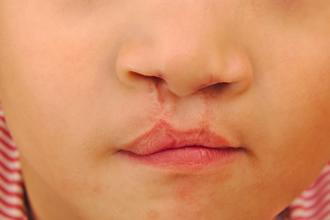
The day your child is born is one of the most exciting moments in a parent’s life. Of course, finding out your precious newborn has a cleft lip or palate can make things a little more complicated. Luckily, a pediatrician can help you determine the best way to treat your child’s cleft lip or cleft palate to put your mind at ease.

Why should a cleft lip or cleft palate be treated?

A cleft lip and palate can present many challenges if left untreated including serious hearing, speech, and swallowing problems. As you can imagine, a cleft lip or palate can affect a child’s speech. Children born with these birth defects are also more likely to deal with recurring ear infections and even hearing loss. By repairing this birth defect as soon as possible we can minimize these issues.
Most children will undergo a cleft lip repair between 3-6 months old, while children will often get a cleft palate repair within the first 12 months. Consequent surgeries may be required later on depending on a variety of factors, including the severity of the defect.

How is a cleft lip and palate treated?

Surgery is the only way to correct a cleft lip or palate. The goal of this surgery is to not only improve your child’s appearance but also make it easier for them to speak, chew, or hear. This surgery is performed under general anesthesia, so your child will be asleep throughout the procedure.

To repair a cleft lip, a surgeon will make incisions on both sides of the defect and then stitch the two pieces of tissue together to close the gap, which will greatly improve the shape and appearance of your child’s lip. A cleft palate repair is also performed under general anesthesia and involves making incisions on both sides of the palate to restructure and rebuild the roof of the mouth.

If your child is born with a cleft lip or cleft palate and you want to talk to us about their treatment options, then turn to your pediatrician to learn more. Your pediatrician is always here to provide you and your little one with the best care possible.

FAQs About Hand, Foot and Mouth Disease

Hand, foot and mouth disease isn’t a childhood infection that’s often discussed but should be. After all, this communicable viral infection is more common in young children than most people realize. If you are concerned about hand, foot and mouth disease, or would simply like to know more, your pediatrician can certainly provide you with the information you need. In the meantime, here are some FAQS that can help you get the facts on this contagious infection.

Is hand, foot and mouth disease dangerous?

While the name might make this condition sound rather frightening, the truth is that many kids under the age of five develop this illness. This is because these viruses are quite contagious. Even though this most often impacts young children, this infection can also present in older children, teens, and even adults.

What are the symptoms?

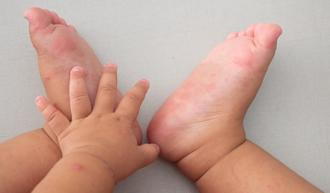
The incubation period for hand, foot and mouth disease is about 3-6 days from exposure. At first, symptoms may appear mild and look similar to the common cold (e.g. runny nose, fever, and sore throat); however, blisters will then start to develop within the mouth and on the body (often the palms of the hands and soles of the feet).

How is it diagnosed?

A diagnosis is often made by a pediatrician through a simple physical evaluation. They will go through your child’s medical history, examine the blisters and ask questions about your child’s symptoms to determine whether this could be hand, foot and mouth disease. Some testing may be performed to rule out other conditions.

How is hand, foot and mouth disease treated?

Unfortunately, there isn’t a medication that will get rid of hand, foot and mouth disease. Like most viral infections, the infection just has to run its course; however, there are certain things your pediatrician may prescribe or recommend that you do to ease your child’s symptoms. For example, ibuprofen may be recommended to help ease the pain as well as your child’s fever. Of course, it’s always a good idea to speak with your pediatrician before you start your child on any medication, even over-the-counter medications.

If your child develops symptoms of hand, foot and mouth disease it’s important that you see your pediatrician as soon as possible for an evaluation, as they will want to make sure that this is truly what’s causing their symptoms.

Your Baby and Cradle Cap

Noticing rough, scaly patches of skin on your newborn’s scalp? If so, this is a sign of cradle cap. This condition (also known as infantile seborrheic dermatitis) is fairly common in newborns and typically isn’t anything to worry about. It’s similar to dandruff for adults; however, while it might not be harmful or painful for your little one, you may be curious to know how to get rid of it. While it will go away on its own, there are things you can do from the comfort of your own home to treat symptoms of cradle cap.

First, is it actually cradle cap?

It’s important to be able to pinpoint the signs and symptoms of cradle crap. This condition most often occurs within the first 2-4 weeks of a baby’s life. This condition is characterized by oily, scaly, white or yellow patches that may crust over. While it might look unpleasant it isn’t painful and shouldn’t itch, but may be slightly red. You may also find these scaly patches on other parts of the body including the nose, ears and groin.

If the patches are itchy or painful, this could be a sign of another skin condition that will warrant seeing your pediatrician for an accurate diagnosis.

Should I seek treatment from a pediatrician?

Your baby’s cradle cap should go away on its own with a few weeks or months. You can care for cradle cap by simply using a mild shampoo and by shampooing your baby’s scalp every few days, which can help to remove scales. It’s important that you don’t scrub or become too aggressive with the scalp; however, if your child’s symptoms are severe or aren’t responding to home care, then it’s time to turn to a pediatrician who can prescribe a special, medicated cream or shampoo.

If you ever have concerns about your child’s health or any symptoms they may have, even minor ones, it’s important to bring it up with a qualified pediatrician that can address these concerns and also provide a fast diagnosis. No concern is too small when it comes to the health and wellbeing of your child.