Summer Safety Tips for Children

Keep your child safe while enjoying fun in the sun.

School’s out for summer, and your child may be gearing up for outdoor adventures, summer camps, swim team, and other activities. Of course, keeping your child safe is of the utmost importance to all parents and pediatricians. Here are some helpful tips to keep your little one safe all summer long.

Recognize Signs of Heat Exhaustion

When kids get dehydrated, which is quite common on hot summery days, they are more at risk of heatstroke and exhaustion. By recognizing the symptoms of heat exhaustion in your children, you’ll be able to bring them indoors and prevent them from developing heat stroke (which can be incredibly dangerous, especially for young children). Signs of heat exhaustion include,

  • Body temperature between 100 and 104 F
  • Dizziness
  • Weakness
  • Lethargy
  • Increased thirst and sweating
  • Clammy, cool skin
  • Nausea
  • Vomiting

When you notice these symptoms, it’s essential that you bring your child into a cool place and make sure that they drink lots of liquids to stay hydrated. You can also help lower their body temp by applying cool compresses to their skin.

Keep Kids Protected from the Sun

Sunscreen isn’t just for adults; it’s also for kids. Just one sunburn can increase your child’s risk for skin cancer in the future. That’s why it’s important that you have them lather up with a broad-spectrum sunscreen with an SPF of 30 or higher.

It’s important that you apply a generous amount to their face and body about 30 minutes before going outside. If they are going to be playing or swimming outdoors, it’s essential that they reapply immediately after coming out of the way or if they are sweating.

Know Water and Swimming Safety

Summer often means a lot of time spent in the pool or by the water. While the water can be a ton of fun for kids, it’s also important that they practice proper water safety habits to prevent drowning and other accidents. Make sure to keep an eye on your child, even if there is a lifeguard on duty. If your child is new to swimming, you may want to enroll them in a swim class that can help them develop strong swimming skills.

Keep Bug Bites at Bay

Along with protecting your child from the sun’s powerful rays, you must also protect them from mosquitos and other pests that could sting or bite them outdoors. Apply insect repellent before your child goes outside. There are many insect repellent options on the market these days, some of which are made from DEET-free and natural ingredients that are safe for all ages. Ask your child’s pediatrician if you are unsure which insect repellent is safe for them.

Stay Hydrated

Summertime is the best time to be a kid, and these helpful tips will ensure a smart, safe, and fun season for the whole family. Don’t forget to schedule your child’s back-to-school physical with your pediatrician, especially before the sports season begins.


Does My Child Have Anxiety?

Be able to spot the warning signs of anxiety in your child.

Anxiety is undoubtedly on the rise, not just for adults but for children. The pandemic has certainly left kids feeling uncertain and worried about the future. It’s important to pick up on the signs that your child might have anxiety so you can talk with their pediatrician about tips and strategies to help them better cope with the issues they’re facing.

What Are the Signs and Symptoms?

Children with anxiety may display these behaviors or motions,

  • Avoidance
  • Anger and aggression
  • Irritability
  • Mood swings
  • Nightmares
  • Headaches
  • Unexplained physical symptoms such as stomachaches
  • Nail-biting and other “nervous habits”
  • Bedwetting
  • Appetite changes
  • Insomnia
  • Social withdrawal and isolation
  • Issues focusing or concentrating

How Can I Help My Child?

It’s important to figure out the type of anxiety your child is dealing with to help them cope with these emotions, thoughts, and behaviors. There are certain habits you can start adopting now that can help your child better deal with their anxiety symptoms,

  • Don’t try to reason with your child when they are panicked or anxiety
  • Help them take deep belly breathes to help stabilize their sympathetic nervous system
  • Validate your child’s fears and listen to them; never dismiss them or tell them to “buck up”
  • Don’t avoid the fear, which can often make it worse, but help your child face the fear with baby steps (talk to your child’s pediatrician about the best ways to do this)

These are some helpful tips to get parents started when they notice their child’s “worry brain” taking over. Of course, if you suspect that they could have a true anxiety disorder, it’s important to speak with your pediatrician right away.

How Are Childhood Anxiety Disorders Treated?

In most cases, your pediatrician will provide a referral to a psychotherapist that works with children. The first appointment, or intake session, will allow the therapist to get to know your child and determine if they have an anxiety disorder. Cognitive-behavioral therapy tends to be the ideal treatment option to help children talk through their fears and discover effective coping strategies to help them face and overcome their fears. Sometimes medications are prescribed in conjunction with therapy and lifestyle changes.

Worried that your child might have an anxiety disorder? If so, this is the ideal time to speak with their pediatrician to find out if they could benefit from additional diagnostic testing or talking to a mental health professional who works with children. A pediatrician can provide resources, support, and referrals.

The Importance of Children’s Nutrition

Make sure your child is following a healthy, balanced diet.

One in 5 school children is considered obese in the US. So, how do we stop these statistics from getting any higher? It starts with proper nutrition, regular exercise, and a healthy lifestyle. Your child’s pediatrician can always provide some helpful tips for ensuring your child is getting the vitamins and nutrients they need.

Daily Caloric Guidelines By Age

The number of calories your child consumes every day will depend on their age and their activity levels and gender. These are the caloric guidelines you should follow,

  • 2-3 years old (both girls and boys): 1,000-1,400 calories
  • 4-8 years old (boys): 1,200-2,000 calories
  • 4-8 years old (girls): 1,200-1,800 calories
  • 9-13 years old (boys): 1,600-2,600 calories
  • 9-13 years old (girls): 1,400-2,200 calories
  • 14-18 years old (boys): 2,000-3,200 calories
  • 14-18 years old (girls): 1,800-2,400 calories

Incorporating the Right Foods into Your Child’s Diet

It’s important that your child is getting a variety of healthy foods to ensure that they get all the essential vitamins and nutrients they need to grow up strong and healthy. This includes,

Lean protein: This includes seafood, poultry, eggs, beans, and nuts

Vegetables: It’s important to incorporate many vegetables into your child’s diet every day. This can include everything from leafy greens to vibrant peppers to beans. If you do choose canned vegetables, make sure to check nutrition labels to ensure that there isn’t added sugar or sodium.

Fruits: Stay away from fruit juice, which can have a ton of added sugar, and opt for fresh or frozen fruit instead. Also, limit dried fruits, which can be high in calories.

Whole grains: Whole grains provide more benefits than refined grains (e.g., white bread and rice) and include whole-wheat bread, oatmeal, quinoa, and brown rice.

Dairy: Include some low-fat or fat-free dairy products such as yogurt, cheese, or milk into your child’s daily diet.

While sugar won’t cause harm in moderation, it is important to limit added sugars and trans and saturated fats (found in red meat, full-fat dairy, and poultry). Wonder if your child’s diet gives them all the nutrients they need? This is something that your pediatrician can discuss with you during their next well-child visit.

Are you having challenges helping your child maintain a healthy weight? Are you concerned about their health? If so, it’s time to turn to your child’s pediatrician. They can provide you with strategies to help your child eat healthier and maintain a healthy weight.

Helping Your Child Deal With Minor Illnesses or Injuries

Here’s your first-aid guide on how to care for minor childhood injuries.

In a perfect world, your child would never get injured, sick, or hurt; unfortunately, this just isn’t 100 percent preventable. Children are deeply curious and far more fearless than adults, which often means that they leave themselves prone to injuries and incidents along the way. Fortunately, most minor illnesses and injuries can be treated from the comfort of home.

Quick and Dirty First Aid Tips for Injuries

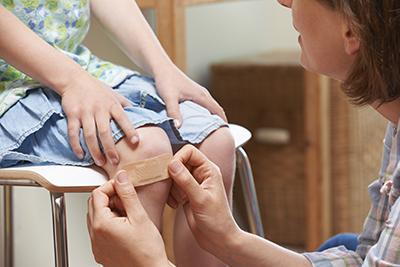
Minor burns, cuts, scrapes, and wounds won’t necessarily bring your child into the pediatrician’s office but you do want to know that you are doing everything you can to treat the injury. For minor scrapes, cuts, and wounds, gently clean the area with water to wash away any debris. If there is blood, apply pressure first for about 10-15 minutes before washing the wound. Then apply antibiotic ointment and a bandage to the area to prevent an infection.

If your child is dealing with a strain or sprain, using the RICE (rest, ice, compression and elevation) method can certainly help. Ask your child’s healthcare provider about any over-the-counter pain medications they can use that might help them manage their pain as the injury heals.

When to Call Your Pediatrician

It’s important to recognize when injuries can be treated at home and when you need to make a trip to the pediatrician’s office. You should turn to a pediatrician if,

  • There are signs of an infection (e.g. fever; increased redness; pus or drainage)
  • There is a visible deformity after injury
  • There was a popping or snapping sound at the moment of injury
  • Pain is severe or getting worse
  • Your child can’t put weight on the injured leg, ankle or foot
  • Bleeding doesn’t stop after 10-15 minutes of applying pressure

Treating Minor Illnesses

So, what constitutes a minor illness? Minor illnesses include colds, ear infections, sore throats, and stomach flu. Viral infections like colds and certain ear infections don’t respond to antibiotics, so often the best course of action is to keep your child well hydrated and rested so the body can fight the infection. Of course, you also want to know when you should turn to a pediatrician for treatment. It’s time to call your pediatrician if,

  • Your child is dealing with a severe sore throat and is having trouble swallowing or breathing
  • Your child’s fever is high (102.5 F for children 3 months to 3 years and 103 F in children older than 3 years)
  • Their symptoms are getting worse or aren’t improving with home care
  • Your child is showing signs of dehydration
  • Your child is acting strangely (e.g. severely lethargic; confused)
  • New symptoms appear
  • Symptoms persist for more than 5 days

If you are ever concerned about an illness or injury your child is dealing with, it’s always best to play it safe and turn schedule an appointment with your child’s pediatrician.

Ear Infections in Children

Does an ear infection automatically warrant seeing a pediatrician? Here’s what you should know…

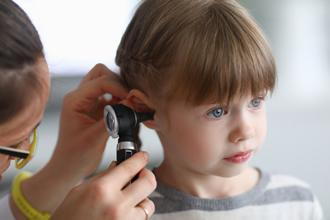
Your child is dealing with an ear infection for the first time and just like when they had their first fever, you’re pretty worried. You’re not sure how to handle it—whether they should see their pediatrician or whether it’s something you can treat at home. We understand that when your child’s sick it feels like everything around you stops. Here’s what parents should know about childhood ear infections.

What causes ear infections?

There is one major culprit that causes ear infections: the common cold. When your child comes down with a cold the fluids can sometimes get stuck in the middle ear, which can irritate the eardrum. Since the immune systems of children under 3 years old are still developing, this often means that they don’t have the antibodies necessary to fight off this infection. This means that it’s inevitable that many young children will deal with an ear infection at some point.

What are the symptoms?

It isn’t always easy to tell whether your child isn’t feeling well or what’s going on, particularly if your child is too young to tell you. Of course, there are some warning signs to be on the lookout for. You may notice that your child is irritable and fussier than usual. They may be upset more easily or cling to you. They may also have trouble sleeping. You may also notice them tugging or pulling at the ear.

On top of these common signs, they may also have a loss of appetite, upset stomach, diarrhea, fever or vomiting. If you notice any of these signs then it’s a good idea to call your pediatrician to see whether you should bring your child into the office.

How are ear infections treated?

How an ear infection is handled will really depend on the severity and cause of the infection, as well as your child’s age. In some instances, children between 6 months and 2 years may be prescribed a round of antibiotics while in other situations your pediatrician may just monitor their condition before deciding whether or not to prescribe medication.

Often, children over the age of 2 may not be prescribed medication right away; your pediatrician may take a “wait and see” approach since some ear infections clear up on their own.

If you are ever concerned about the issues or symptoms your child is experiencing, don’t hesitate to contact your pediatrician for advice on the next steps. This can often provide parents with the peace of mind they need to know they are doing everything for their little one.

The Importance Of Well-Child Care Visits

A healthy child begins with the right doctor. A pediatrician can help you and your child make the best and most informed decisions regarding their health. It’s important to have a pediatrician that you trust to make sure that your child always gets the preventive care they deserve. And don’t forget the importance of regular wellness checkups with a pediatrician.

What is a well-child visit?

While newborns and infants have different schedules when it comes to how often they need to see their pediatrician, children over the age of 3 years old still need to come in once a year for a routine checkup.

These checkups are designed to check your child’s physical, mental and emotional health, and these checkups are not to be missed (no matter how healthy your child might seem). These visits are comprehensive because they are designed to help prevent health problems from occurring.

During your child’s checkup, a pediatrician will,

  • Check and record their vitals (e.g. blood pressure; heart rate)
  • Make sure they are meeting developmental milestones
  • Screen for certain illnesses
  • Administer necessary immunizations
  • Providing advice and health education to both children and their parents

A pediatrician focuses on both the physical and mental wellbeing of your little one to make sure they are getting the proper care they need. A pediatrician also knows that parents will have a lot of questions for them along the way. When you come in for your child’s appointment it’s a good idea to jot down those questions so that your child’s doctor can answer them for you.

Have concerns about your child’s health, whether it’s physical symptoms or behavioral issues? A pediatrician is here to help with all of those issues and more. Remember, our medical team wants to work with you to make sure your little one always has thorough and individualized medical care.

If it’s time to schedule your little one’s next checkup, or if you have questions about the pediatric medical services your pediatrician offers, don’t hesitate to call them today. After all—your child’s health is always a top priority.

Peanut Allergies in Children

In the past 15 years, we’ve seen a massive increase in the number of children with peanuts allergies, so it goes without saying that most parents are worried about giving their children peanuts; however, is the peanut a food to avoid, even in children that aren’t presenting with allergies? How do you know if your child has an allergy to peanuts? A pediatrician can provide you with the information you need on peanut allergies.

Is it safe to incorporate peanuts into my child’s diet?

Research shows that introducing a small number of peanut products to your baby’s diet may actually reduce their risk for an allergy. This means everything from adding a little bit of peanut butter to peanut powder to their food. You can introduce your child to peanut-based products at around 4-6 months old.

Is my child at risk for a peanut allergy?

It is important to recognize if your child is at high risk for a peanut allergy. If your child has an egg allergy or has severe eczema they may be more likely to have a peanut allergy and should be properly screened by a pediatrician, as even trace amounts of peanut products could cause a reaction. A skin or blood test may be performed to check your child’s response to peanuts and look for allergy signs.

What are the signs of a peanut allergy in children?

Symptoms can range from mild to severe, often coming on suddenly and lasting for hours. Mild symptoms may include hives on the face and mouth or a rash. Signs of a more severe allergic reaction include:

  • Widespread hives
  • Tongue or facial swelling
  • Trouble breathing
  • Wheezing
  • Vomiting
  • Swelling of the lips

If your child is experiencing symptoms of a severe peanut allergy it’s important to call 911 or to head to your local emergency room for immediate medical attention.

My child has a peanut allergy. Now what?

While there isn’t a way to cure a peanut allergy the best treatment option is to simply avoid consuming peanuts and peanut products. Your child’s pediatrician can provide you with an extensive list of products your child will need to avoid. Make sure that they also don’t share food with other kids at school. Your pediatrician may also prescribe an EpiPen, which is to be used if your child has a severe allergic reaction. Your pediatrician may also recommend that your child see a pediatric allergist who can provide further and more specialized recommendations.

If your child is showing signs of a peanut allergy, call your child’s pediatrician today to schedule an evaluation. If you simply have questions about incorporating peanuts into your child’s diet to reduce their risk for an allergy, your pediatrician can also provide you with expert advice.

FAQs About the Pediatric COVID Vaccine

No doubt you’ve been hearing a lot of discussions, particularly on the news, about the Covid-19 vaccine. You’ve also heard that kids five years old and older are now eligible to get the vaccine. Of course, any pediatrician understands that parents may have questions or concerns about this new vaccine and whether it’s right for their child. Here are the top questions about the Covid-19 vaccine and children.

Is the Covid-19 vaccine safe for children?

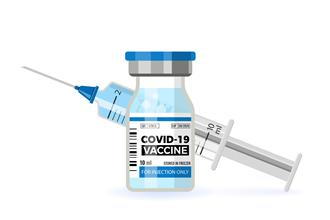
Yes, the Covid-19 vaccine is safe for kids 5 years old and older. The vaccine has undergone the same testing, clinical trials, and authorization that the Covid-19 vaccine has for adults. While it is normal to experience mild side effects such as soreness at the injection site or fatigue, these are signs that the body is building up protection. While some kids may experience side effects, not all kids will.

What is in the Covid-19 vaccine?

There is a blend of active and inactive ingredients within the vaccines and each manufacturer has published a list of their vaccine’s ingredients online. All vaccines are free from metals and manufactured products such as carbon nanotubes. Vaccines do not contain eggs, latex, preservatives, or gelatin. Each manufacturer offers its list of ingredients that you can check out: Pfizer, Moderna, Johnson & Johnson.

How many doses of the Covid-19 vaccine does my child need?

Pfizer is the only vaccine that is currently approved for use in children ages 5 years to 17 years old. Teens 18 years old and older can choose from Pfizer, Moderna, or the J&J vaccine. Both Pfizer and Moderna require two doses administered at least three weeks apart, while the Johnson & Johnson vaccine only requires a single dose.

Can my child get the booster shot?

It’s is recommended that everyone get the booster shot about 6 months after getting the Pfizer vaccine. Teens 16-17 years old and older are eligible for the booster shot and should get one. Talk to your pediatrician to find out if it’s time for your child’s booster.

If you need to schedule a Covid-19 vaccine for your child or teen, call your pediatrician today to book your child’s appointment. If you have additional questions about the vaccine, don’t hesitate to call your child’s doctor.

Know the Signs of Chickenpox

The infamous chickenpox, a virus known to cause itchy blisters all over the body. It most often happens to school-age kids, but unfortunately, if you’ve never had this infection as a kid you could get it as an adult. There is a chickenpox vaccine that children should get from their pediatrician. The first dose is administered between 12-15 months old and the second and final dose is given between 4-6 years old. While the vaccine is designed to protect kids against the virus, sometimes children can still get a milder form.

What are the signs and symptoms of chickenpox?

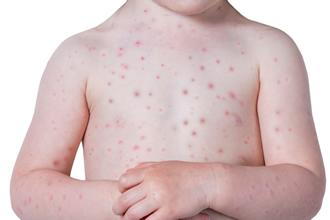
Chickenpox is notorious for causing fluid-filled and intensely itchy blisters on the body. Chickenpox blisters typically appear about 10 to 21 days after being exposed to the virus, and symptoms can last up to 10 days. In the beginning, your child may only show symptoms of a cold including loss of appetite, fatigue, fever, headache, and overall malaise. They may also experience a stomachache or sore throat. These symptoms will often appear before the rash.

The rash often starts on the face or stomach and then spreads throughout the rest of the body. Once the blisters break open, they will crust over and eventually fall off. It’s important that kids do not scratch these blisters, as this can lead to infections and scarring.

Is there a way to treat chickenpox?

Since chickenpox is caused by a virus, antibiotics will not be effective at treating this infection. Most treatment options are aimed at providing relief from symptoms while the body gets rid of the infection. If your child is at risk for complications related to chickenpox, their pediatrician may prescribe antiviral medication. Simple home care can help to alleviate discomfort due to chickenpox. This includes taking oatmeal baths and applying cold compresses to the blisters.

Is chickenpox preventable?

Absolutely. There is a chickenpox vaccine that all kids can and should get from their pediatrician. Even if kids still end up getting chickenpox after getting the vaccine, their symptoms will be much milder. If your child has already had chickenpox then they do not need to get vaccinated as they already have lifelong immunity.

If you have questions or concerns about chickenpox, or whether your child should get vaccinated, don’t hesitate to call your child’s pediatrician to learn more.

When a Fever Requires Medical Attention

A fever is one of the biggest concerns that parents have when it comes to their infant or child. We understand that a fever can sometimes be considered an emergency and you’ll need prompt medical attention. Of course, the good news is that often a fever will improve on its own. Know when your child’s fever warrants seeing their pediatrician for care.

What is considered a fever?

A healthy body temperature is 98.6 F; however, many things can elevate a person’s temperature including intense exercise, so not all temperature fluctuations mean that your child is sick; however, an illness or infection can certainly shift your body’s temperature as it works to fight off the bacteria or virus.

What can cause a fever?

There are quite a few reasons why your child might be dealing with a fever. Some common causes include:

  • Viral infections (e.g. cold; flu)
  • Bacterial infections
  • Severe sunburns
  • Heat exhaustion or heat stroke
  • Inflammatory health problems
  • Side effects of certain medications

When to see a pediatrician for your infant’s fever?

A fever that develops in an infant (babies under 3 months old) is often a far more serious matter than fevers in children. If your infant develops a fever of 100.4 F or over, it’s highly recommended that you bring them to your pediatrician right away for care.

When to seek medical attention for your child’s fever?

By the age of 3 years old, most children will have developed at least one fever. While some fevers won’t be anything to worry about and will go away on their own, it is important to know when your child’s fever requires medical attention. You should call your pediatrician if:

  • Your child’s fever persists for more than 5 days
  • The fever is over 104 F
  • Your child has symptoms of dehydrated
  • Medications aren’t helping to reduce their fever

If you are ever concerned about the health of your child, it’s important that you call your pediatrician. They can talk to you over the phone and discuss your child’s symptoms in greater detail to determine whether they need to come in for treatment. If your child has a fever and you’re worried, call your pediatrician right away to ease your worries.