Symptoms of ADHD in Children

It’s normal for children to act out and test boundaries. If your child is demonstrating inattentiveness, fidgeting, not listening, and other behaviors on a regular basis, your child could have attention deficit hyperactivity disorder, also known as ADHD.

The Child Development Institute lists the characteristics of ADHD as inattention, hyperactivity, and impulsivity, which can contribute to signs like repetitive motions, continuous fidgeting, inability to remain seated, excessive talking, inability to focus, and difficulty getting and staying organized.

ADHD can be difficult to recognize and can easily go untreated, which is why an ADHD screening from your pediatrician is so important. Therapies may include behavioral therapy, lifestyle modification, and medication therapy including Adderall and Ritalin.

If ADHD goes untreated, it can lead to problems when your child becomes an adult, including destructive behaviors, poor grades, poor work performance, and difficulty forming friendships.

What are Sick Child Visits?

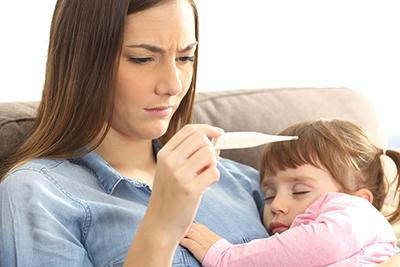
When your child is sick, it’s comforting to know that help and advice from your pediatrician are just a phone call away. A sick child visit can help your child feel better and recover more quickly.

You need to schedule a sick child visit if your child has a fever lasting longer than 2 days, higher than 100.4 degrees for children under 2 months, or at least 104 degrees in older children, or has an ear infection, a bacterial or viral infection, difficulty swallowing, nausea and vomiting, diarrhea and constipation, headaches, allergies or asthma, abdominal pain, rashes, or fractured bones.

When you bring your child in, your pediatrician will record symptoms and health history, perform a complete physical examination, and measure vital signs, possibly ordering lab testing and x-rays, and prescribing antibiotics, antivirals, anti-inflammatory medication, or pain medication as needed.

What Should I Do for My Child’s Fever?

When your child is sick, it can be difficult to know what to do. When your child has a fever, it can be especially scary, because a fever may indicate an infection.

In most cases, fever is easy to treat, and it usually doesn’t lead to a more serious condition. When your child has a fever, try giving them infant or children’s Tylenol to reduce pain, a sponge bath or cold washcloths, or popsicles to suck on.

You should bring your child to see the pediatrician if under four months old with a temperature of 100.4 degrees or higher, over four months old with a temperature over 104 degrees, or if the fever lasts after 2 to 3 days, or is accompanied by a rash, shortness of breath, nonstop crying, a stiff neck, seizures, pain while urinating, or decreased urine output.

Behavioral Health and Your Child

Children exhibit all kinds of interesting behaviors. Many of these behaviors are normal boundary testing, showing independence, and other healthy milestones you want to see, like defiance, withdrawing, or acting out in reaction to life changes.

Behaviors that could be warning signs of a behavioral disorder include threatening or harming others, damaging possessions, difficulty forming relationships, frequent signs of unhappiness or depression, anxiety about school, defiance and hostility toward authority figures, frequently lying or stealing, or using drugs at an early age.

If you notice any of these signs, it’s time for a behavioral health evaluation from your child’s pediatrician, which will include a complete medical examination and possibly additional testing. Treatment may include individual, group, and family counseling, lifestyle modification, medication, or specialty care with a child psychologist.

Helping Your Child Live Well With Asthma

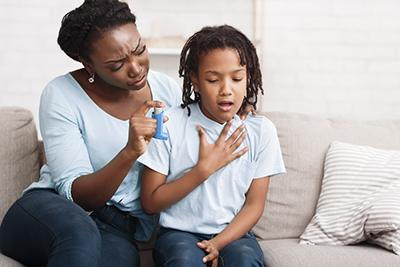
Need help controlling your child’s asthma symptoms? Your pediatrician can help. Your pediatrician can provide your child with a custom asthma treatment plan that helps get their symptoms under control.

First, We’ll Create an Action Plan

Your pediatrician can create a customized action plan just for your child, with specific instructions on ways to manage your child’s asthma and what to do when symptoms flare up.

Next, We’ll Prescribe Medication

In most cases, your children’s doctors will prescribe two medications: a controlled medication taken every day to prevent inflammation, and a fast-acting medication to alleviate symptoms quickly when a flare-up begins.

We May Recommend a Flu Shot

The flu virus can exacerbate asthma symptoms and lead to more severe complications such as pneumonia, which is why your pediatrician may encourage you to get your child vaccinated against the flu every year.

Does Your Child Need a School Physical?

When your child begins school, it’s time for your child to begin having school physicals by a pediatrician, performed every year to make sure your child stays healthy.

Regular school physicals can help identify, prevent, and treat acute and chronic diseases including allergies, asthma, heart issues, and more. During your child’s school physical, your pediatrician will perform a comprehensive physical examination, check respiration, eyes, nose, throat, and ears, perform vision and hearing screening, and record vital signs.

Immunizations are another vitally important part of your child’s school physical, and are required for your child to attend school.

If your child wants to play a sport, a sports physical may be combined with the school physical, checking balance, reflexes, flexibility, muscle strength, and breathing.

What Happens at Child Wellness Checkups?

Find out more about well-child checkups and why they are crucial for your child’s health.

From the moment your baby is born, you want to give them everything. You also want to ensure they have everything they need to grow up healthy and strong. That’s where well-child visits come in. These checkups with your pediatrician allow them to check up and monitor your child’s health when they are growing fast and reaching one developmental milestone after another. These well-child visits help your child stay healthy and detect issues early on.

But My Child Is Healthy. Do They Still Need a Checkup?

Pediatrician visits aren’t just for sick kids. In fact, healthy children still need to visit their pediatrician regularly for wellness checkups to ensure they stay healthy. After all, these visits are the best way for your child’s medical team to monitor their health and development and catch problems early on. During your child’s well-child checkup, your pediatrician will evaluate your child’s health, growth and development.

How Often Do Wellness Checkups Occur?

How often your child visits their pediatrician will depend on their age. While you can easily find the American Academy of Pediatrics’ well-child care visit schedule online, for easy reference, your child should come in for a wellness checkup at,

  • Three-five days old
  • One month old
  • Two months old
  • Four months old
  • Six months old
  • Nine months old
  • 12 months old
  • 15 months old
  • 24 months old
  • 30 months old
  • Three years old

Once your child reaches three years old, they only need to come in once a year for wellness checkups.

What Is Involved in a Wellness Checkup?

When your child comes into their pediatrician’s office, they will first check and record their height, weight and vital signs (e.g., heart rate; blood pressure). Your pediatrician will also go through your child’s medical history and family history to understand their current health and any preexisting conditions.

From there, your pediatrician will perform a comprehensive physical evaluation of your child, checking everything from reflexes and nerve function to the heart and lungs. During these wellness checkups, your pediatrician may also administer certain vaccines to keep your child safe and healthy and perform additional screenings such as hearing, vision and behavioral screenings to check for vision or hearing loss, ADHD or other behavioral problems.

A pediatrician isn’t here just to provide sick care to children; they are also here to provide preventive care such as well-child visits to support your child’s optimal health to prevent illnesses and injuries. Call your pediatrician to schedule your child’s next well-child visit.

The Importance of Behavioral Health and Children

Is your child acting up? Here’s how a pediatrician can help.

Poor grades, fighting with others, lashing out at parents—If you find yourself dealing with these issues, no doubt you’re concerned about your child’s behaviors. Whether the teachers have complained or you’ve seen these issues in your household, it’s essential to address these concerns with your pediatrician.

Pediatricians and Behavioral Health

While a pediatrician is there to provide your child with medical care, which means that they are focused on physical health, that doesn’t mean they can’t recognize behavioral, mental or emotional issues. Since pediatricians often spend the most time with your children and have seen them grow up through the years, they are often the first to spot problems. That’s why you must have a long-standing pediatrician you know and trust.

When to Be Concerned

It’s natural for a child to be sad when they get sick or lose something important to them or a date with a friend gets postponed; however, if your child is dealing with recurring emotional and behavioral issues that are impacting their daily life, well-being and routine, then it may be time to speak with your pediatrician. Behavioral health concerns that may require a further evaluation with a pediatrician include,

  • Anger and irritability
  • Outbursts and temper tantrums
  • Defying adults and acting out
  • Harmful behavior, whether harming themselves or others
  • Avoiding social interactions
  • Trouble focusing and a drop in academic performance
  • Changes in mood
  • Sadness or hopelessness that lasts more than two weeks
  • Thoughts of suicide
  • Stealing, lying and other risky behaviors

How a Pediatrician Can Help

There are many factors a pediatrician will take into account when a child comes in for a behavioral health assessment. Certain factors include,

  • Physical
  • Environmental
  • Social
  • Mental
  • Emotional
  • Socioeconomic

Any changes to your child’s environment could impact their behavioral health, leading to these problematic behaviors and habits. It’s essential to take all aspects and factors into account so that we can provide the proper diagnosis and treatment plan to help manage behavioral issues. From learning disabilities and separation anxiety to autism and ADHD, a pediatrician can help your child cope with many behavioral health problems.

Yes, kids will be kids, but that doesn’t mean you should let recurring or problematic behaviors slide. If you are concerned about your child’s behavioral health, it’s time you turned to a pediatrician to discuss behavioral health options.

FAQs about Children’s Nutrition

Get the facts on your child’s ideal diet and more.

We know how challenging it can be for kids to get all the nutrients they need from diet alone, especially if your child has food allergies, dietary restrictions or is simply a picky eater. We’ve compiled the top questions about childhood nutrition. If you have questions, your pediatrician can provide additional info and support.

When Can I Start To Introduce Solid Foods Into My Baby’s Diet?

You should begin to incorporate solid foods into your baby’s diet at around 6 months old. By 7-8 months, your child should be eating a lot more solid foods, from veggies and fruits to yogurt, protein and whole grains. Let your child sample one food at a time, which is also the best way to spot any food allergies. Talk with your pediatrician if your child develops a rash or other problems after consuming an allergenic food.

How Much Water Should My Child Consume?

It’s important for everyone to stay hydrated, and that includes children, too. A good rule of thumb is for your child to consume as many eight-ounce glasses of water as their age. For example, if your child is six years old they should consume six eight-ounce glasses of water. Of course, if your child is out in the sun or playing sports it’s important that they consume more water. Fruit juices and sodas are not considered a good alternative for ensuring your child gets enough fluids every day. Water is always the best and healthiest choice.

Is It Okay for My Child To Eat the Same Thing Every Day?

When it comes to your child’s diet it’s best to spice things up and add variety and rotation to daily meals. Sure, there may be some foods that your child just loves more than others, but it’s important that they are getting a good balance and mix of healthy fats, protein, fiber and complex carbs.

I’m Concerned About My Child’s Weight. Now What?

If you are worried about your child’s recent weight gain or that they aren’t eating enough, you should talk with your pediatrician about the best ways to help them manage their weight through proper diet and exercise. We can provide effective solutions and advice for how to tweak your child’s current diet to support their weight gain or loss needs.

These are baseline numbers that may fluctuate based on certain factors, so it’s important to speak with your child’s pediatrician to determine your child’s own dietary needs.

Developmental & Behavioral Visits

Learn more about developmental and behavioral disorders in children.

A growing child can greatly benefit from visiting their pediatrician regularly for routine checkups. No, a child doesn’t have to be sick to visit the doctor. These regular wellness visits can help our pediatrician spot issues such as developmental delays and behavioral disorders that require special care and treatment. Here’s what you should know about common developmental and behavioral problems in kids and how a pediatrician can help,

Types of Developmental Disorders

Developmental disorders fall under the categories of,

  • Cognitive (e.g., mental retardation; learning disabilities)
  • Motor (e.g., cerebral palsy; muscular dystrophy; spinal atrophies)
  • Behavior (e.g., anxiety disorders; autism; ADHD)
  • Vision, hearing and speech (e.g., delayed language acquisition; hearing or vision impairments)

Some of the most common types of developmental disorders in children include,

  • Autism spectrum disorders
  • Cerebral palsy
  • ADHD
  • Genetic disorders
  • Intellectual disabilities
  • Spina bifida
  • Down syndrome

Signs of Developmental and Behavioral Disorders

Warning signs and when they appear seem to vary from child to child. Some parents notice developmental delays as early as infancy, while others may not notice these concerns until they start school. Some warning signs include,

  • Difficulty learning and academic troubles
  • Delayed speech, unclear speech or difficulties communicating with others
  • Social withdrawal
  • Delay in crawling, sitting up or walking
  • Has trouble completing everyday tasks such as grooming, washing hands or getting dressed
  • Has trouble focusing on an activity
  • Intense or extreme behaviors such as aggression, anxiety, irritability or frequent temper tantrums

When to See a Doctor

If you notice any of these delays, we understand how concerning this can be. The good news is that you don’t immediately need to run to a specialist for help. All you have to do is turn to your pediatrician for an evaluation. A pediatrician can perform a thorough assessment to determine if your child may be displaying signs of a developmental or behavioral disorder. Your pediatrician may recommend more in-depth testing, which may require turning to a mental health professional for an accurate diagnosis.

Suppose your child displays behavioral issues, or you notice that they aren’t reaching certain developmental milestones. In that case, it’s important to speak with your pediatrician at their next appointment or to call their office to find out if you should bring your child in for an evaluation.