Picky Eating in Toddlers: When to Worry and How to Help

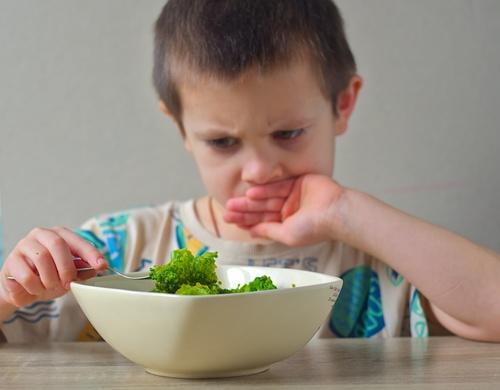
Many toddlers go through a stage of refusing certain foods, eating very little one day, and requesting the same meal repeatedly the next. While picky eating can be frustrating for parents, it is often a normal part of childhood development. Learning the difference between typical eating behaviors and signs of a more serious concern can help families support healthy growth while making mealtimes less stressful. A pediatrician can provide guidance when questions arise about your child’s nutrition or eating habits.

Why Toddlers Become Picky Eaters

Toddlers are developing independence, and food choices are one way they express it. Their appetites may also fluctuate as growth slows compared to infancy, causing them to eat more some days and less on others.

Children may reject unfamiliar foods simply because they are new or have different textures, colors, or smells. It can take multiple exposures before a toddler is willing to try a new food, so patience and consistency are important.

How Parents Can Encourage Healthy Eating

Creating positive mealtime habits can help children develop a healthy relationship with food. Offer a variety of nutritious options, including fruits, vegetables, whole grains, lean proteins, and dairy products, while allowing your child to decide how much to eat.

Avoid forcing children to clean their plates or using dessert as a reward for eating vegetables. Instead, model healthy eating by enjoying a variety of foods together as a family whenever possible.

Offering new foods alongside familiar favorites and maintaining regular meal and snack schedules can also encourage toddlers to become more comfortable trying different foods over time.

When Picky Eating May Be a Concern

Although picky eating is common, some situations deserve medical attention. Parents should speak with a pediatrician if a child consistently refuses entire food groups, has difficulty chewing or swallowing, experiences frequent vomiting during meals, loses weight, shows poor growth, or has very limited food choices that persist over time.

A pediatric evaluation can help determine whether an underlying medical condition, food allergy, developmental concern, or nutritional deficiency may be contributing to feeding difficulties.

Supporting Healthy Growth

Most toddlers receive the nutrients they need over time, even if individual meals seem unbalanced. Focusing on healthy eating patterns over several days rather than a single meal can reduce unnecessary worry.

Regular well-child visits allow pediatricians to monitor growth, answer questions about nutrition, and provide personalized recommendations based on each child’s age and developmental stage.

Helping Your Toddler Build Healthy Eating Habits

Picky eating is usually a temporary phase that improves with patience, consistency, and positive mealtime experiences. Understanding what is normal and knowing when to seek medical guidance can help parents feel more confident while supporting their child’s healthy development.

If you have concerns about your toddler’s eating habits, growth, or nutrition, schedule an appointment with your pediatrician. Early guidance can help address feeding challenges and support healthy growth for years to come.

Understanding Childhood Ear Infections: Symptoms and Treatment

Ear infections are one of the most common reasons children visit a pediatrician, particularly during infancy and early childhood. While many ear infections resolve with appropriate care, recognizing the symptoms early can help prevent unnecessary discomfort and potential complications. Understanding why ear infections develop and how they are treated allows parents to make informed decisions about their child’s health.

What Causes Childhood Ear Infections?

Most childhood ear infections affect the middle ear, the space located behind the eardrum. They often develop after a cold, flu, or other upper respiratory infection. Congestion and inflammation can block the eustachian tubes, trapping fluid inside the middle ear. This warm, moist environment allows bacteria or viruses to multiply, leading to infection.

Young children are especially susceptible because their eustachian tubes are shorter and more horizontal than those of older children and adults, making it easier for fluid to become trapped.

Common Symptoms to Watch For

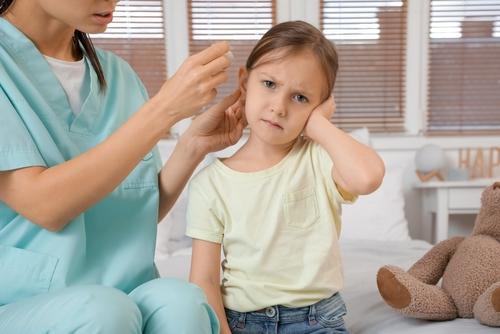
The symptoms of an ear infection can vary depending on a child’s age. Older children may be able to describe ear pain or a feeling of fullness in the ear, while infants and toddlers often show less obvious signs.

Parents may notice symptoms such as:

  • Ear pain or frequent tugging at the ears
  • Fussiness or increased irritability
  • Difficulty sleeping
  • Fever
  • Temporary difficulty hearing or responding to sounds
  • Drainage of fluid from the ear
  • Decreased appetite, particularly in younger children

Because these symptoms may also occur with other childhood illnesses, a pediatrician should evaluate persistent or worsening symptoms.

How Pediatricians Diagnose Ear Infections

A pediatrician diagnoses an ear infection by reviewing your child’s symptoms and examining the ears with an otoscope. This allows the provider to look for redness, swelling, fluid behind the eardrum, or decreased movement of the eardrum that may indicate infection.

In many cases, the examination is quick and can determine whether an infection is present or if symptoms are related to another condition.

Treatment Options

Treatment depends on your child’s age, the severity of symptoms, and whether the infection is caused by bacteria or a virus. Some mild ear infections improve on their own with observation and supportive care, while others may require antibiotics.

Pain management is also an important part of treatment. A pediatrician may recommend age-appropriate pain relievers to help reduce discomfort while the infection resolves. Parents should always follow the prescribed treatment plan and complete any antibiotic course exactly as directed.

When to Seek Medical Care

Parents should contact a pediatrician if a child has severe ear pain, a high fever, symptoms lasting longer than a couple of days, fluid draining from the ear, or recurring ear infections. Prompt evaluation helps ensure appropriate treatment and reduces the risk of complications that could affect hearing or overall health.

Helping Children Stay Healthy

Although not every ear infection can be prevented, reducing exposure to respiratory illnesses, practicing good hand hygiene, staying current on recommended vaccinations, and avoiding secondhand smoke may help lower a child’s risk. Regular pediatric care also provides opportunities to monitor your child’s ear health and address concerns before they become more serious.

If you suspect your child has an ear infection, a pediatrician can provide an accurate diagnosis and recommend the most appropriate treatment to help your child recover comfortably and return to normal activities.

Growing Pains: What’s Normal and When to Worry

Growing pains are a common reason parents wonder whether their child’s leg pain is a normal part of development or a sign of something more serious. Although growing pains are generally harmless, not every ache or pain is related to growth. Understanding the typical symptoms of growing pains and recognizing when medical evaluation is appropriate can help parents feel more confident about caring for their child.

What Are Growing Pains?

Despite the name, growing pains are not believed to result directly from bones growing. Instead, they are thought to be related to muscle fatigue after a busy day of running, jumping, climbing, and playing. Growing pains most often affect children between the ages of 3 and 12 and usually occur during the evening or at night.

The discomfort commonly affects both legs, particularly the calves, thighs, or behind the knees. Most children wake up feeling completely normal the next morning and can return to their regular activities without difficulty.

Signs That Growing Pains Are Usually Normal

Growing pains tend to follow a predictable pattern. The pain often comes and goes, affects both legs rather than one, and does not cause swelling, redness, bruising, or limping. Episodes may occur several nights in a row and then disappear for weeks or even months.

Many children feel better with gentle massage, stretching, a warm bath, or a heating pad on a low setting. Rest and reassurance are often all that is needed, and the discomfort typically resolves without long-term effects.

When Leg Pain May Be Something Else

While growing pains are common, some symptoms suggest another condition may be responsible. Pain that occurs during the day, affects only one leg, or continues for an extended period should be evaluated. Parents should also seek medical care if their child develops swelling, redness, warmth, joint stiffness, fever, unexplained weight loss, persistent limping, or pain following an injury.

These symptoms may indicate an infection, inflammation, injury, or another medical condition that requires diagnosis and treatment.

How a Pediatrician Evaluates Leg Pain

When a child experiences recurring or concerning leg pain, a pediatrician will review the child’s medical history, ask about the timing and location of the pain, and perform a physical examination. The evaluation may include assessing muscle strength, joint movement, flexibility, and the child’s walking pattern.

If the symptoms are not consistent with typical growing pains, additional testing or imaging may be recommended to identify the underlying cause.

Helping Your Child Stay Comfortable

Encouraging regular physical activity, stretching before and after sports, wearing supportive footwear, and maintaining healthy hydration may help reduce muscle soreness after active days. Parents should also encourage children to describe their symptoms and let them know it is okay to speak up if pain changes or becomes more frequent.

Routine pediatric visits provide an opportunity to discuss recurring aches and pains, monitor healthy growth and development, and ensure any new concerns are addressed promptly. Early evaluation helps distinguish normal growing pains from conditions that may benefit from medical treatment.

Understanding Childhood Anemia: Signs and When to Seek Care

Children are often full of energy, so it can be concerning when a child seems unusually tired, pale, or less active than usual. While many factors can affect a child’s energy levels, anemia is one condition that may contribute to these symptoms. Anemia occurs when the body does not have enough healthy red blood cells to carry adequate oxygen throughout the body. Understanding the signs of childhood anemia can help parents recognize when it may be time to schedule an evaluation with a pediatrician.

What Is Childhood Anemia?

Anemia develops when the body has a lower-than-normal number of red blood cells or insufficient hemoglobin, the protein responsible for carrying oxygen. Iron deficiency is one of the most common causes of anemia in children, but other nutritional deficiencies, medical conditions, and inherited disorders can also contribute.

Because oxygen is essential for growth, development, and daily function, anemia can affect how children feel and perform throughout the day.

Common Signs of Childhood Anemia

Symptoms of anemia can vary depending on the child’s age and the severity of the condition. Some children may experience only mild symptoms, while others develop more noticeable changes.

Parents may observe unusual fatigue, decreased energy, pale skin, dizziness, headaches, irritability, or difficulty concentrating. Some children become short of breath during physical activity or seem less interested in playing and participating in activities they normally enjoy.

In infants and younger children, anemia may sometimes affect growth and development if it remains untreated for an extended period.

Why Children Develop Anemia

Iron deficiency is a common cause of childhood anemia, particularly during periods of rapid growth when the body’s demand for iron increases. Children who consume limited amounts of iron-rich foods may be at higher risk.

Other causes can include chronic medical conditions, blood loss, certain nutritional deficiencies, or inherited blood disorders. A pediatric evaluation helps determine the underlying cause and guides appropriate treatment.

When to See a Pediatrician

Parents should consider scheduling an appointment if symptoms such as fatigue, pale skin, weakness, dizziness, or decreased activity levels persist or worsen. While these symptoms do not always indicate anemia, they deserve medical attention when they begin affecting a child’s daily life.

A pediatrician can perform an evaluation, review symptoms, and recommend testing if anemia or another health concern is suspected.

How Childhood Anemia Is Diagnosed

Diagnosis typically begins with a review of the child’s medical history, diet, growth patterns, and symptoms. Blood testing may be recommended to measure red blood cell levels, hemoglobin, and other markers that help identify the cause of anemia.

Early diagnosis allows treatment to begin sooner and may help prevent complications related to growth, development, and overall health.

Supporting Healthy Growth and Development

Many cases of childhood anemia can be managed successfully once the underlying cause is identified. Treatment may include dietary changes, nutritional supplementation, or management of an underlying medical condition.

Regular pediatric care plays an important role in monitoring growth, development, and overall health while helping identify concerns before they become more significant.

Pediatric Care for Childhood Anemia

Recognizing the signs of childhood anemia can help parents seek care before symptoms begin affecting their child’s health and daily activities. If your child has ongoing fatigue, pale skin, weakness, or other concerning symptoms, a pediatric evaluation can help identify the cause and determine the appropriate next steps. Talk with your pediatrician to learn more about anemia screening, diagnosis, and treatment options.

The Importance of Outdoor Play for Child Development

Outdoor play is an important part of childhood and contributes to healthy physical, emotional, and social development. In a world filled with screens and structured activities, unstructured time outside provides children with valuable opportunities to learn, explore, and grow. Whether it involves running at a playground, riding a bike, or simply spending time in nature, outdoor play supports many aspects of a child’s well-being.

Supporting Physical Health

One of the most obvious benefits of outdoor play is increased physical activity. Children who spend time outdoors are more likely to run, jump, climb, and participate in active games that help build strength, coordination, and endurance. Regular movement supports healthy growth and can help reduce the risk of childhood obesity.

Outdoor activity also contributes to healthy bone and muscle development. Encouraging children to be active from an early age helps establish habits that can support lifelong health.

Encouraging Social and Emotional Growth

Outdoor play often involves interaction with other children, creating opportunities to develop important social skills. Through games and shared activities, children learn cooperation, communication, problem-solving, and conflict resolution. These experiences help build confidence and strengthen relationships with peers.

Time spent outdoors can also have a positive effect on emotional well-being. Many children benefit from the freedom to explore and play in a less structured environment, which may help reduce stress and improve mood.

Building Creativity and Independence

Unlike many indoor activities, outdoor play often encourages imagination and creative thinking. A stick can become a magic wand, a cardboard box can become a fort, and an open field can transform into an adventure. These experiences help children develop creativity while learning how to make decisions independently.

Outdoor environments also present opportunities for children to take appropriate risks, solve problems, and gain confidence in their abilities. These skills contribute to healthy development and greater independence as they grow.

Supporting Learning and Development

Outdoor play can reinforce important developmental skills in ways that feel fun and natural. Children practice balance, coordination, and motor skills while exploring their surroundings. They may also develop curiosity about nature, science, and the world around them.

Spending time outdoors can complement classroom learning by providing hands-on experiences that encourage observation, discovery, and critical thinking.

Helping Children Thrive Through Outdoor Play

Outdoor play is much more than recreation. It supports physical health, social development, emotional well-being, creativity, and learning. Encouraging children to spend time outside each day can provide lasting benefits that contribute to healthy growth and development. Parents can help by creating opportunities for safe outdoor activities and making active play a regular part of family life.

Helping Children Stay Healthy and Active During Outdoor Activities

Outdoor play and recreational activities give children valuable opportunities to stay active, build social skills, and support healthy physical development. Whether children are participating in sports, neighborhood play, family outings, or organized programs, spending time outdoors encourages movement and helps support overall well-being. Taking a few preventive health steps can help children stay safer, healthier, and more comfortable while remaining active throughout the season.

The Importance of Staying Hydrated

Children can become dehydrated more quickly than adults, especially during active play or sports. Increased physical activity, warm temperatures, and long periods outdoors may lead to fluid loss through sweating.

Encouraging children to drink water regularly throughout the day helps support energy levels and overall health. Parents should also watch for signs of dehydration such as fatigue, dizziness, dry mouth, or headaches during outdoor activities.

Sun Protection and Skin Safety

Protecting children’s skin from excessive sun exposure is an important part of outdoor health. Applying sunscreen, wearing protective clothing, and encouraging the use of hats or sunglasses may help reduce the risk of sunburn and long-term skin damage.

Children who spend extended periods outdoors may need sunscreen reapplied regularly, especially during sports or water activities.

Preventing Common Injuries

Active play and sports can sometimes increase the risk of minor injuries such as sprains, scrapes, or falls. Wearing properly fitted protective equipment and supportive footwear may help reduce injury risk during physical activities.

Parents should also encourage children to warm up appropriately before sports and take breaks when they become overly tired or overheated.

Managing Allergies and Asthma Symptoms

Outdoor activities may trigger seasonal allergies or asthma symptoms in some children. Pollen exposure, grass, or increased physical exertion can sometimes contribute to coughing, wheezing, congestion, or breathing discomfort.

Children with asthma or allergies should continue following their treatment plans and keep medications available when participating in activities away from home.

Supporting Healthy Sleep and Nutrition

Busy schedules and increased activity levels make proper nutrition and sleep especially important for growing children. Balanced meals, healthy snacks, and consistent sleep routines help support recovery, concentration, and physical performance.

Maintaining healthy daily habits also helps strengthen the immune system and overall wellness.

Staying Current with Preventive Care

Routine pediatric visits remain important as children participate in school, sports, and recreational programs. Wellness exams allow pediatricians to monitor growth, review medical concerns, and address any activity-related health questions before problems develop.

Preventive care also helps ensure children are physically prepared for increased activity levels throughout the year.

Encouraging Safe and Healthy Activity

Outdoor play and physical activity support healthy development, confidence, and social interaction for children of all ages. With proper preparation and preventive care, families can help children stay active while reducing the risk of common health concerns and injuries.

Supporting healthy habits early helps children build routines that contribute to long-term physical and emotional well-being.

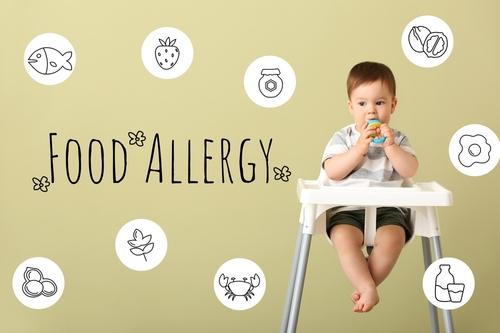
Understanding Food Allergies in Children: Signs, Testing, and Management

Food allergies in children can develop early and often require careful attention from both parents and healthcare providers. These reactions occur when the immune system mistakenly identifies certain foods as harmful. At pediatric visits, understanding how to recognize and manage food allergies helps protect children from unexpected reactions and supports overall health. Early awareness plays an important role in prevention and safety.

Recognizing the Signs of Food Allergies

Symptoms of food allergies can vary from mild to severe. Some children may develop hives, itching, or swelling around the lips and face shortly after eating certain foods. Others may experience digestive symptoms such as nausea, vomiting, or abdominal discomfort. In more serious cases, difficulty breathing or a rapid drop in blood pressure may occur.

Because reactions can happen quickly, recognizing these signs allows parents to respond promptly.

Common Food Triggers

Certain foods are more likely to cause allergic reactions in children. Common triggers include milk, eggs, peanuts, tree nuts, soy, wheat, fish, and shellfish. Even small amounts of these foods can cause symptoms in sensitive individuals.

Identifying specific triggers is an important step in managing food allergies.

How Food Allergies Are Diagnosed

Diagnosis begins with a detailed review of symptoms, diet history, and timing of reactions. Pediatric providers may recommend allergy testing to confirm suspected triggers. This can include skin testing or blood tests that measure the body’s immune response.

Accurate diagnosis helps guide safe dietary choices and treatment planning.

Managing Food Allergies at Home

Once a food allergy is identified, avoiding the trigger is the primary method of prevention. Parents are encouraged to read food labels carefully and be aware of potential cross-contact in food preparation. Having an emergency plan in place is also essential.

Some children may be prescribed medications to use if a reaction occurs.

Preventing Exposure and Staying Prepared

Education is key to preventing accidental exposure. Caregivers, teachers, and family members should be informed about the child’s allergies and know how to respond in case of a reaction. Packing safe foods and planning ahead for social events can help reduce risk.

Preparation helps families feel more confident managing allergies.

Supporting Your Child’s Health

Living with food allergies can affect both physical and emotional well-being. Children may need reassurance and guidance to navigate social situations involving food. Regular pediatric visits help monitor growth, nutrition, and allergy management.

Ongoing support ensures children continue to thrive while managing their condition.

Pediatric Care for Food Allergies

If your child shows signs of a food allergy or has had a reaction, professional evaluation is important. Pediatric providers can help identify triggers, guide testing, and develop a management plan that supports safety and health.

Schedule an appointment with your pediatric provider to learn more about food allergy care and how to keep your child protected.

When Your Child Complains of Stomach Aches: Common Causes and Care

Stomach aches are one of the most common complaints in children and can develop for a variety of reasons. In many cases, the cause is mild and temporary. Constipation is a leading factor, especially in children with irregular bowel habits or low fiber intake. Viral illnesses can also cause abdominal discomfort and may be accompanied by nausea, reduced appetite, or changes in bowel movements. Some children experience stomach pain after eating too quickly, overeating, or reacting to certain foods. Emotional factors such as stress or anxiety can also contribute, particularly during school, social situations, or changes in routine.

Symptoms That May Need Closer Attention

While many stomach aches improve on their own, certain symptoms should be monitored more closely. Pain that persists for several days, worsens over time, or interferes with eating and sleep may require evaluation. Fever, vomiting, ongoing diarrhea, or constipation that does not improve are important warning signs. Pain that becomes focused in one area of the abdomen should also be taken seriously. If a child appears unusually tired, avoids activity, or shows signs of dehydration such as dry lips or reduced urination, these changes should not be ignored.

How Evaluation Helps Identify the Cause

A pediatric evaluation helps determine whether stomach pain is related to digestion, infection, diet, or another underlying concern. Providers may ask about bowel habits, appetite, recent illness, and any changes in routine or stress levels. This information helps separate a mild, self-limited issue from something that may need treatment or further evaluation. Early assessment can provide reassurance when symptoms are minor and help guide appropriate care when symptoms are more persistent.

When Professional Care Is a Good Next Step

If stomach aches begin to affect school, play, meals, or sleep, it is reasonable to seek medical guidance. Persistent symptoms can become more disruptive if the underlying cause is not addressed. Parents often recognize when something does not seem right, even if symptoms are difficult to describe. Getting answers early helps support both comfort and long-term health, while also giving families a clearer understanding of what to watch moving forward.

Springtime Allergies in Children: What Parents Should Know

Spring often brings more time outdoors, but it can also introduce seasonal allergies that affect many children. As pollen levels rise, parents may notice new or worsening symptoms that can impact sleep, school performance, and daily comfort. Understanding how springtime allergies present in children helps parents respond early and manage symptoms more effectively.

Why Allergies Increase in the Spring

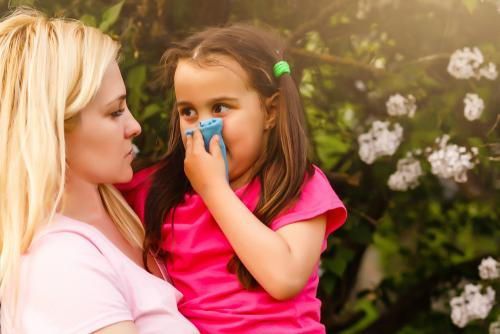
Spring allergies are typically triggered by pollen from trees, grasses, and other plants. When these particles are inhaled, the immune system may overreact, releasing chemicals that lead to inflammation in the nose, eyes, and airways.

Children who are sensitive to these allergens may develop symptoms quickly, especially on days when pollen counts are high. Weather changes, wind, and outdoor exposure can all influence how severe symptoms become.

Common Symptoms Parents May Notice

Seasonal allergies in children often resemble a cold, but they tend to last longer and follow a pattern during certain times of the year. Symptoms may include nasal congestion, frequent sneezing, itchy or watery eyes, and throat irritation.

Some children may also experience coughing or increased fatigue, especially if symptoms interfere with restful sleep. Unlike a cold, allergies typically do not cause a fever.

How Allergies Can Affect Daily Life

Even mild allergy symptoms can make children feel uncomfortable throughout the day. Disrupted sleep can lead to irritability, difficulty concentrating, and reduced energy levels.

In some cases, allergies may aggravate other conditions, such as asthma, leading to additional respiratory symptoms. Recognizing these effects early allows parents to take steps to reduce discomfort and prevent symptoms from worsening.

Managing Exposure and Symptoms

Reducing exposure to allergens can help limit symptoms during the spring season. Keeping windows closed during high pollen days and encouraging children to wash their hands and face after playing outside can help remove pollen from the skin.

Changing clothes after outdoor activities and maintaining clean indoor air may also reduce allergen buildup. These simple adjustments can make a noticeable difference in how children feel day to day.

When to Seek Pediatric Guidance

If allergy symptoms persist or begin to interfere with daily routines, it may be time to seek medical guidance. A pediatrician can help confirm whether symptoms are allergy-related and recommend appropriate treatment options.

Early management helps children stay comfortable and active throughout the season, allowing them to enjoy spring with fewer disruptions.

Healthy Habits for Children: Simple Ways to Encourage Daily Wellness

Building healthy habits early in life helps children grow, learn, and stay active. Daily routines that support nutrition, movement, sleep, and emotional well-being can shape long-term health in meaningful ways. Simple, consistent steps often make the biggest difference for families looking to support their child’s overall wellness.

Creating a Balanced Daily Routine

Children benefit from structure, especially when it comes to meals, sleep, and activity. A consistent daily routine helps regulate energy levels and supports both physical and emotional development. Regular meal times, predictable bedtimes, and designated play periods create stability and make healthy choices easier to maintain.

Even small adjustments to daily schedules can improve focus, mood, and overall well-being.

Encouraging Healthy Eating Habits

Nutrition plays a key role in growth and development. Offering a variety of fruits, vegetables, whole grains, and lean proteins helps children get the nutrients they need. Keeping healthy options easily available at home encourages better choices without making food feel restrictive.

Involving children in meal planning or preparation can also increase their interest in trying new foods.

Supporting Daily Physical Activity

Regular movement is important for building strength, coordination, and confidence. Children should have opportunities to stay active throughout the day, whether through outdoor play, sports, or simple activities like walking or riding a bike.

Limiting screen time can help create more space for physical activity and reduce sedentary habits.

Promoting Healthy Sleep Patterns

Sleep is essential for growth, learning, and emotional regulation. Establishing a consistent bedtime routine helps children wind down and prepare for restful sleep. Reducing screen use before bed and creating a calm sleep environment can improve sleep quality.

Well-rested children are often more focused, energetic, and better able to handle daily challenges.

Encouraging Emotional Wellness

Emotional health is just as important as physical health. Open communication, positive reinforcement, and time spent together as a family help children feel supported. Teaching simple coping strategies, such as deep breathing or talking through feelings, can help children manage stress.

Strong emotional habits support confidence and resilience as children grow.

Supporting Healthy Growth Every Day

Healthy habits do not need to be complicated. Consistency, encouragement, and a supportive environment can help children build routines that last. By focusing on small, manageable changes, families can create a strong foundation for lifelong wellness.